Welcome to the wonderful world
of the Highland pony
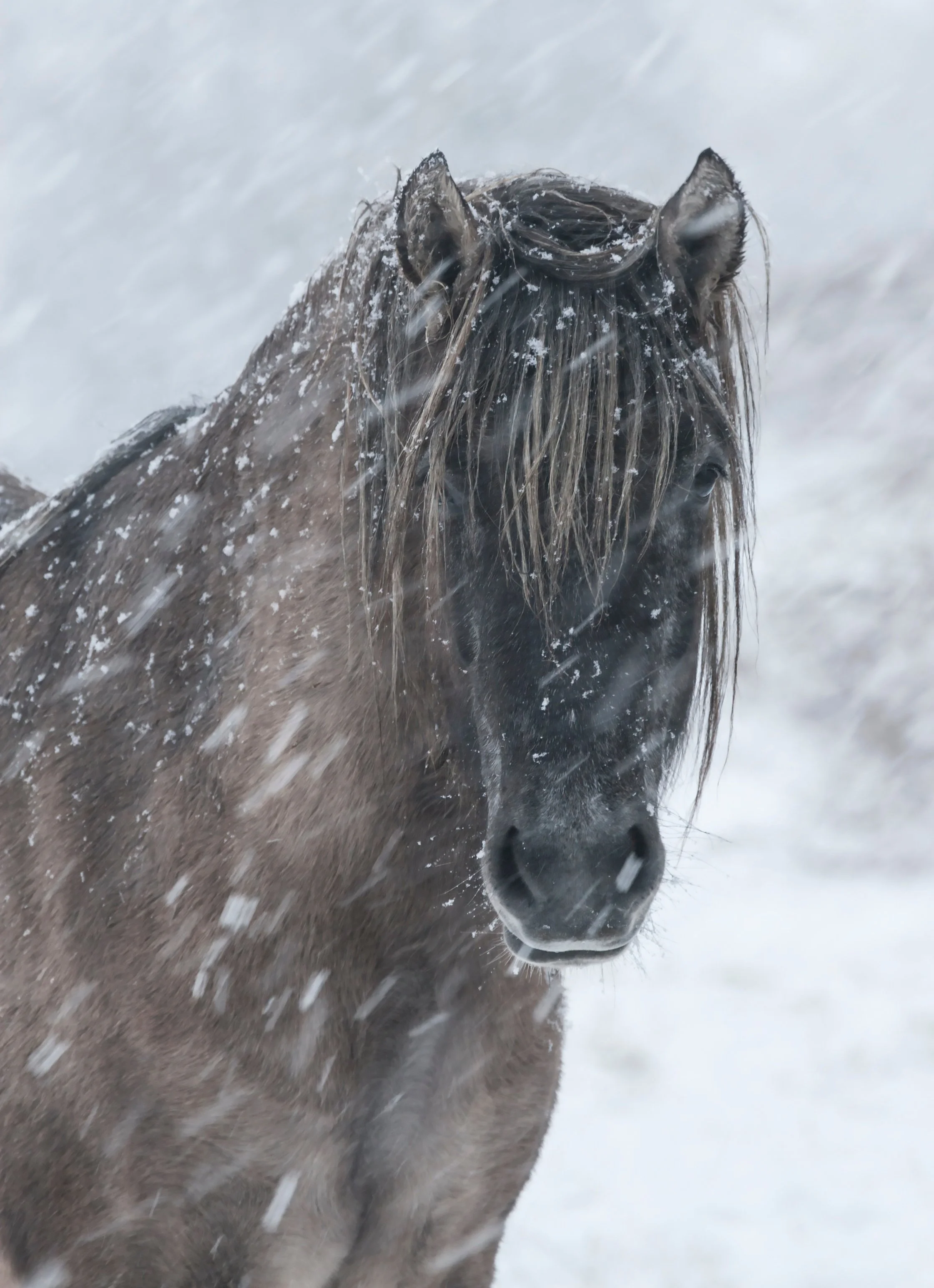
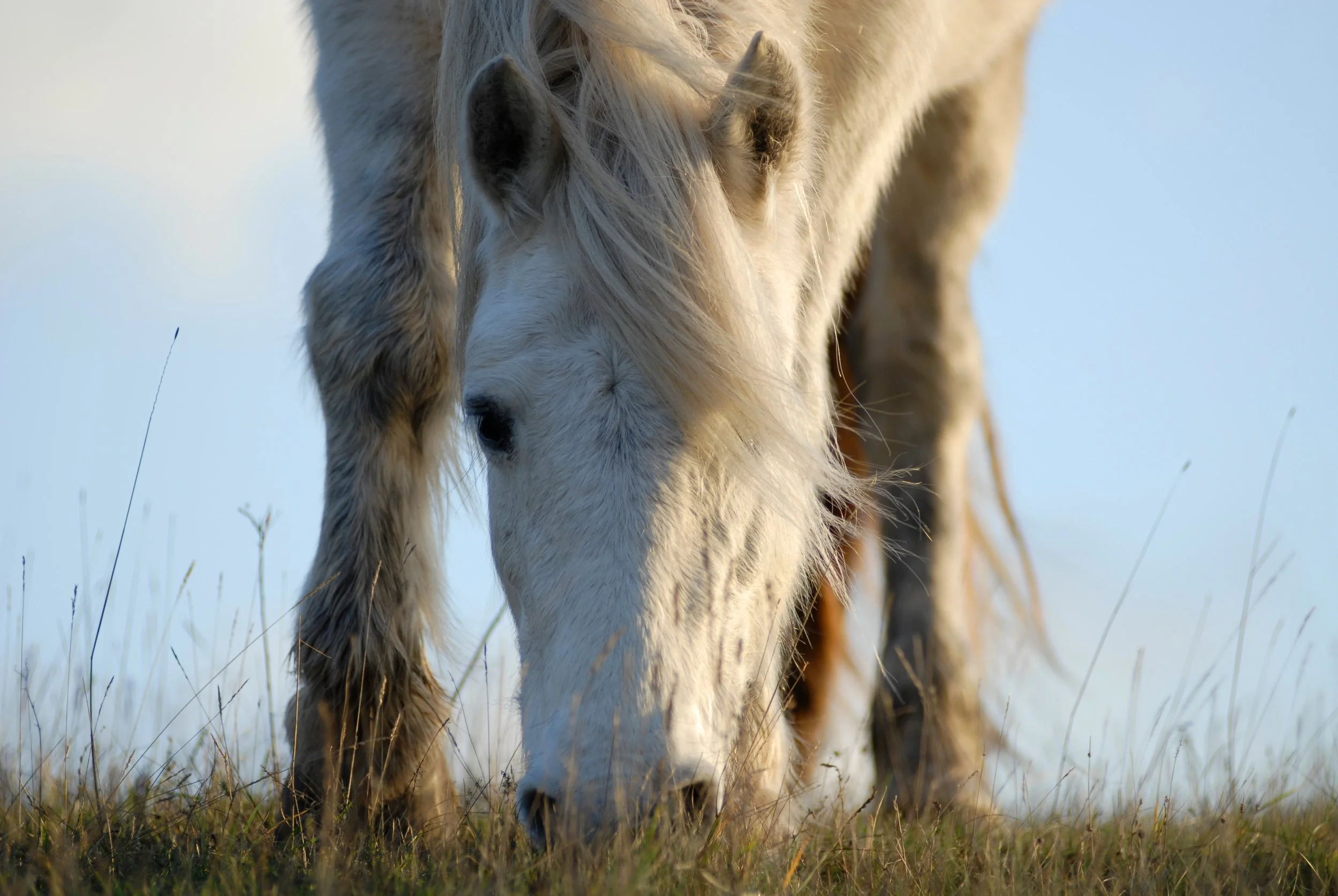
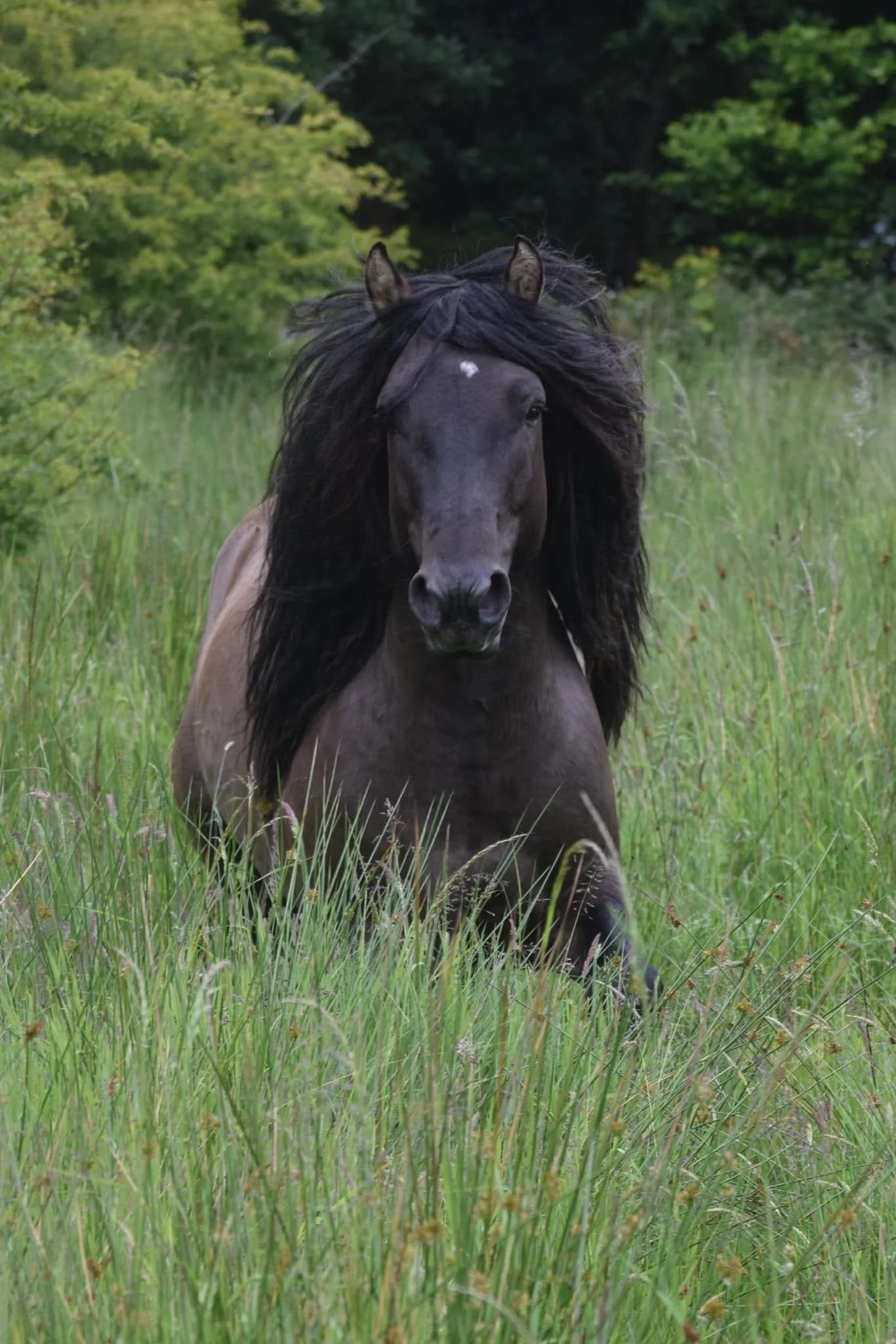
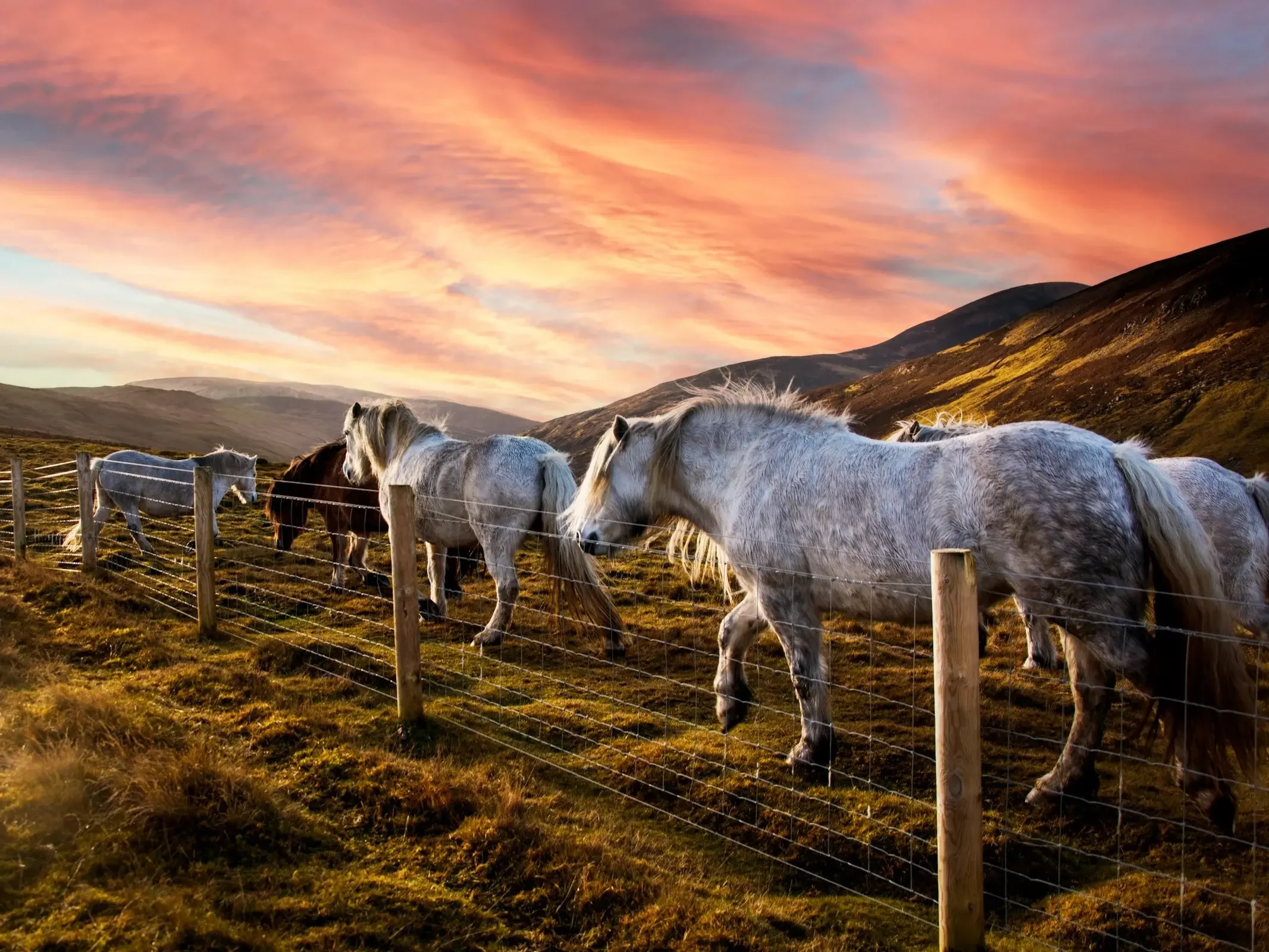
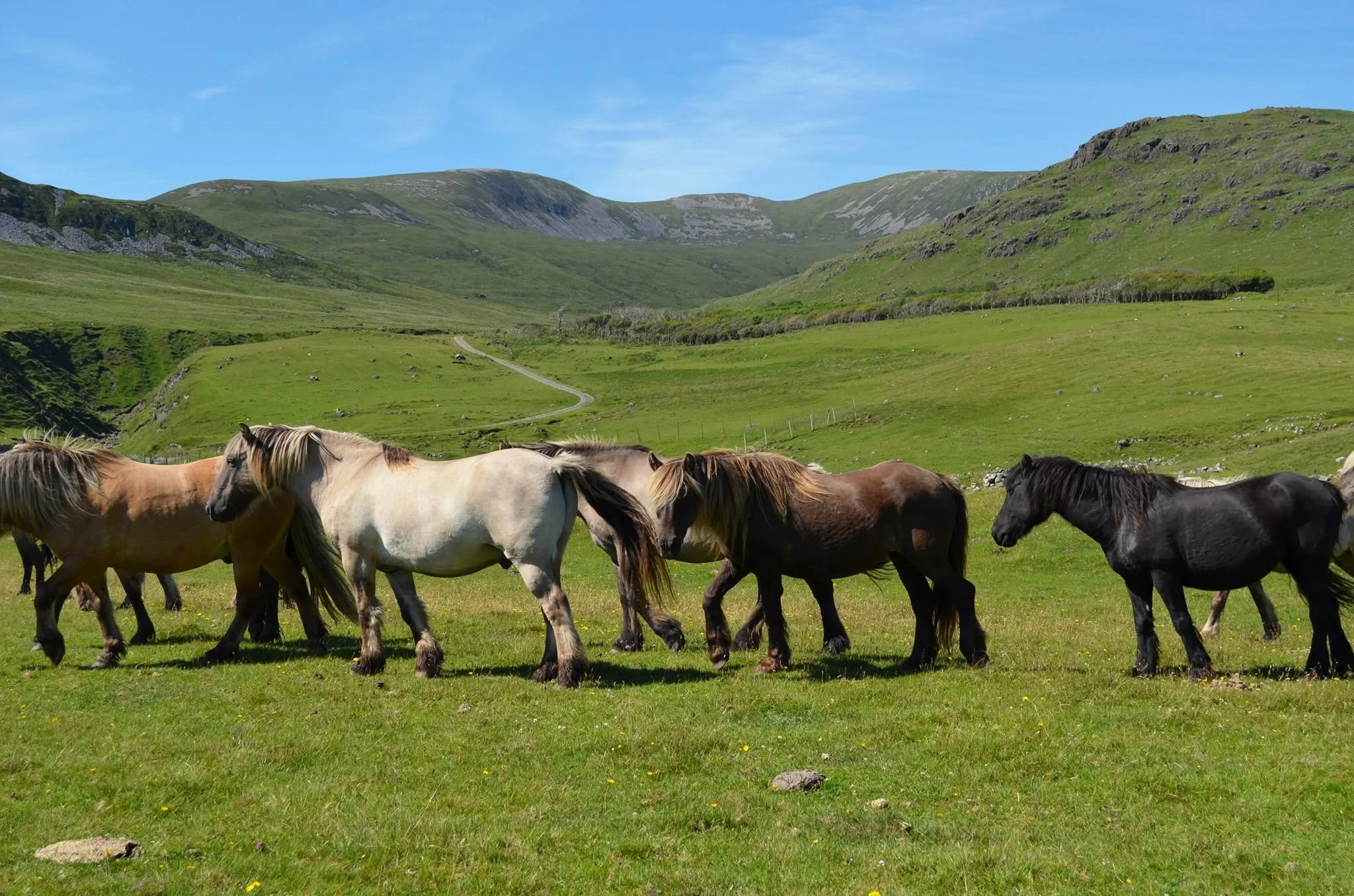
A mountain and moorland breed, and the largest of the three native pony breeds of the Scottish Highlands and Islands, the Highland pony has adapted over several centuries to the rugged terrain and unpredictable, and often unyielding, climatic conditions of Scotland.
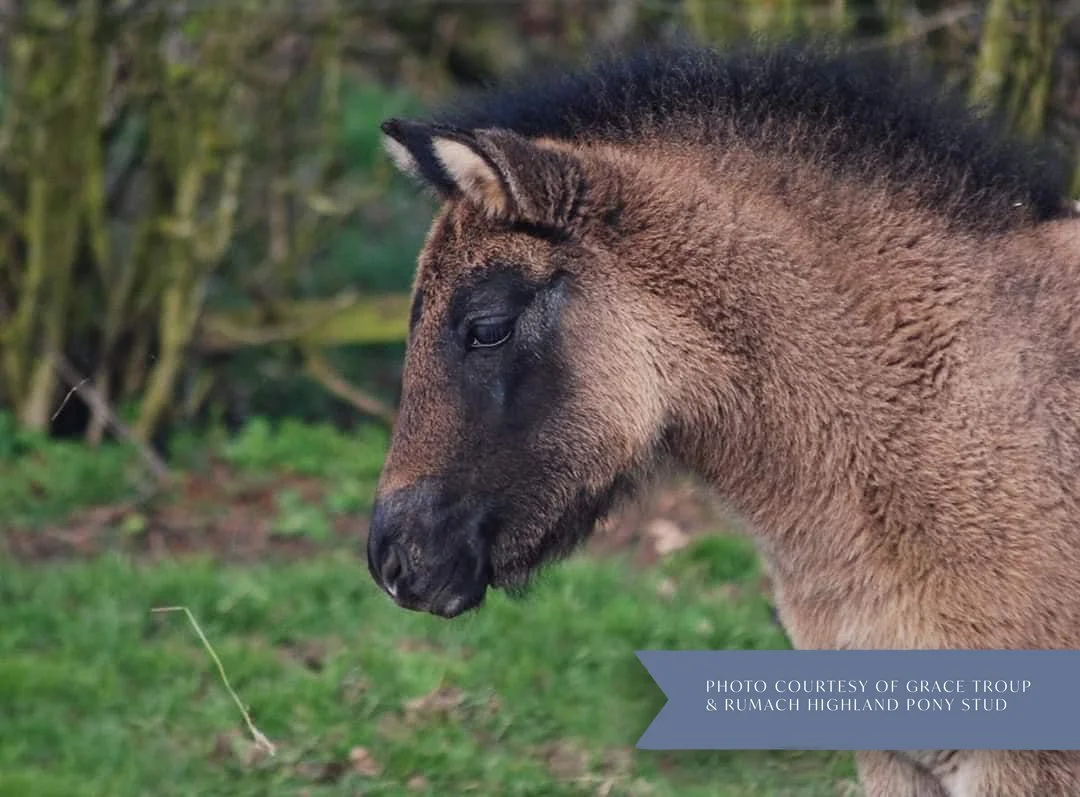
With a winter coat of strong, badger-like hair over a soft, dense undercoat that in spring sheds out to a smooth summer coat, this pony is capable of living out in all types of weather.
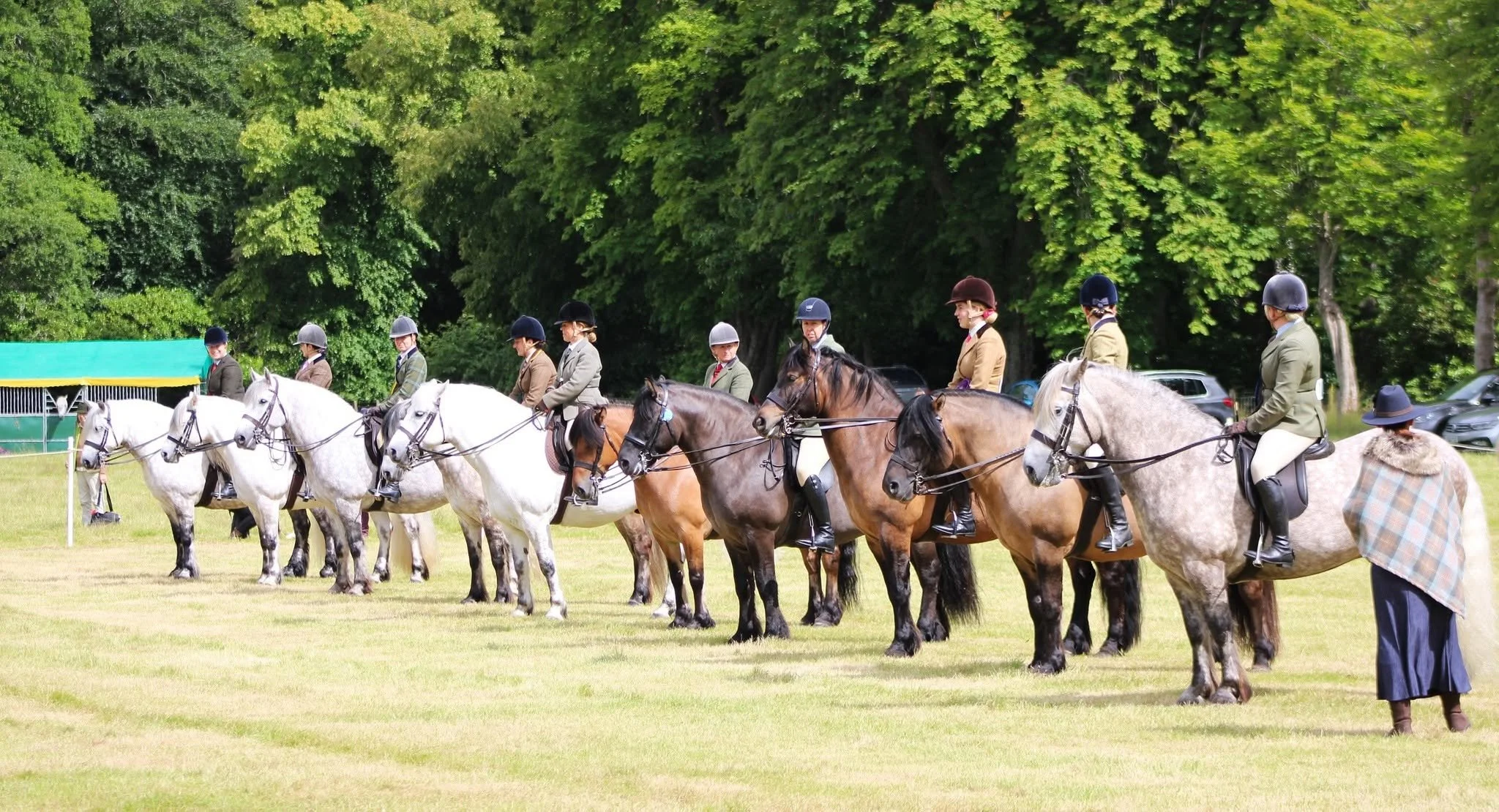
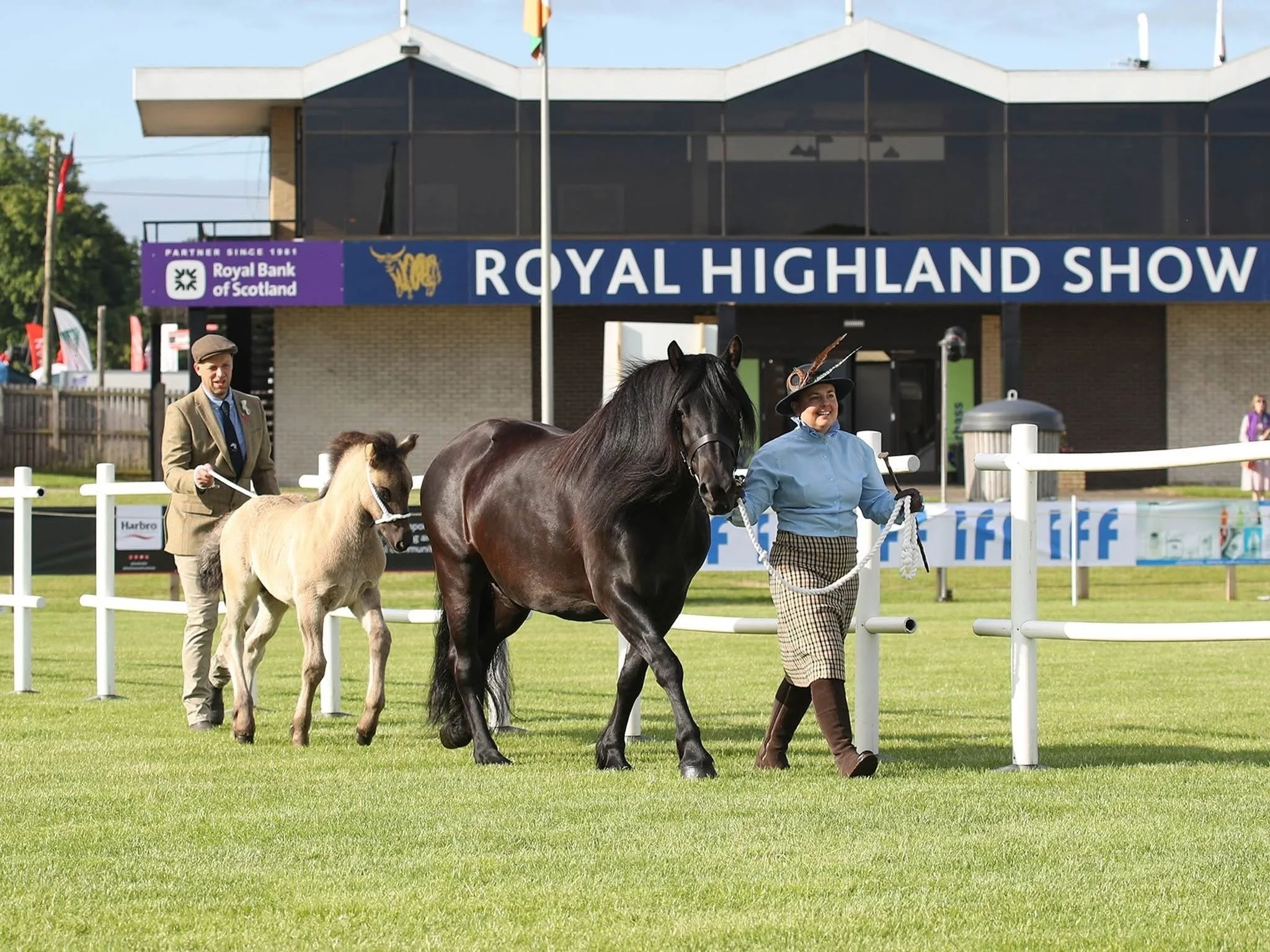
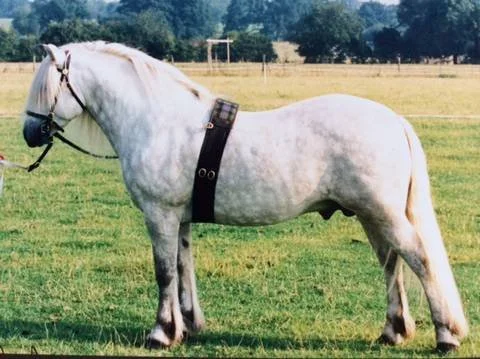
Don’t let the hardiness of this pony fool you - these ponies are kindly in nature and have an even temperament. Highland ponies are strong, well-balanced and compact ponies with all its features proportionate to its height. One of the largest British Native Breeds, Highlands should show substance and strength.
Highlands are not to exceed 14.2hh (148 cms).
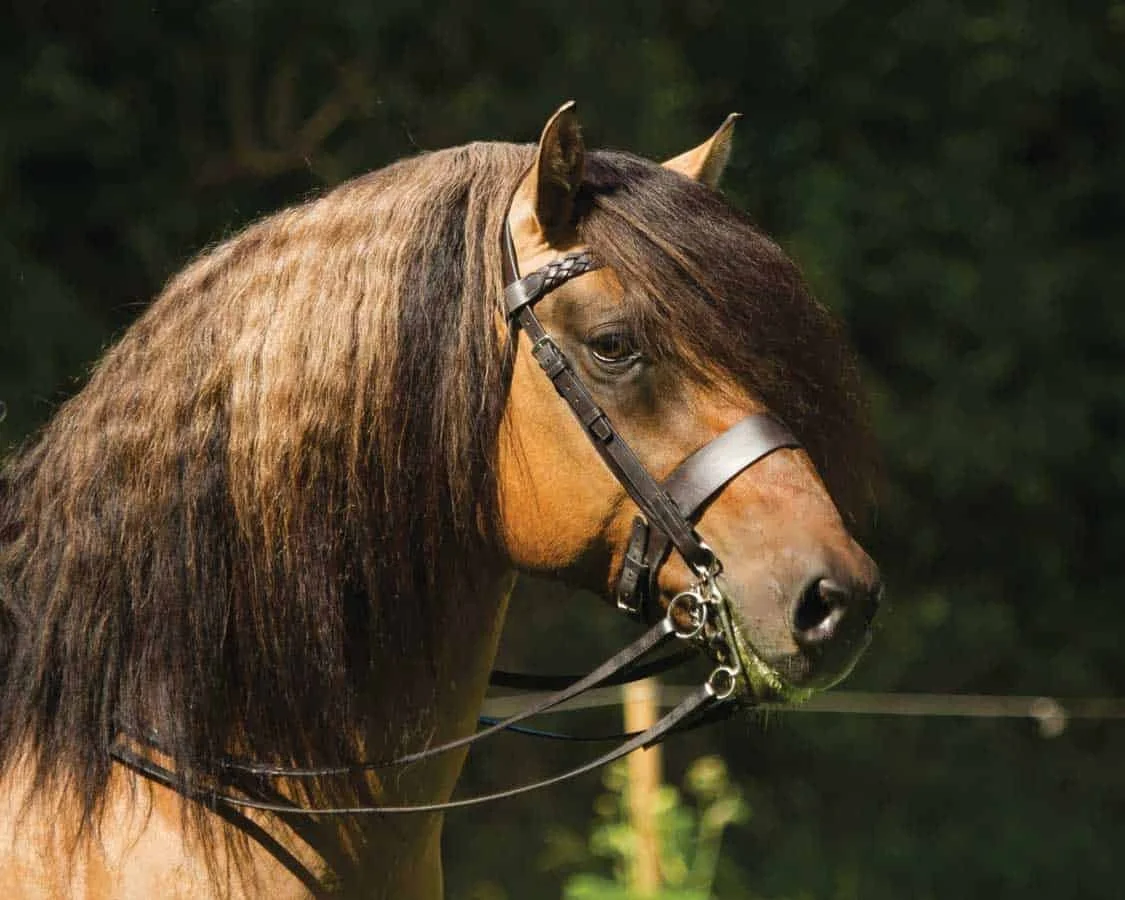
Their head is well-carried and alert with a kindly eye. The muzzle is broad with a deep jowel. They should have a reasonable neck length from the withers with a good sloping shoulder and well-placed forearm.
Highlands should be well-balanced and compact with a well-sprung rib cage to allow plenty of room for the heart and lungs. They should have powerful quarters with well-developed thighs, strong second thighs and clean, flat hocks.
Their legs should be flat with hard bone, broad knees, short cannon bones, oblique pasterns and well-shaped broad, dark hooves. Highlands have feathers that should be soft and silky. Ponies of the Western Isles type may have striped hooves, which grow out at maturity.
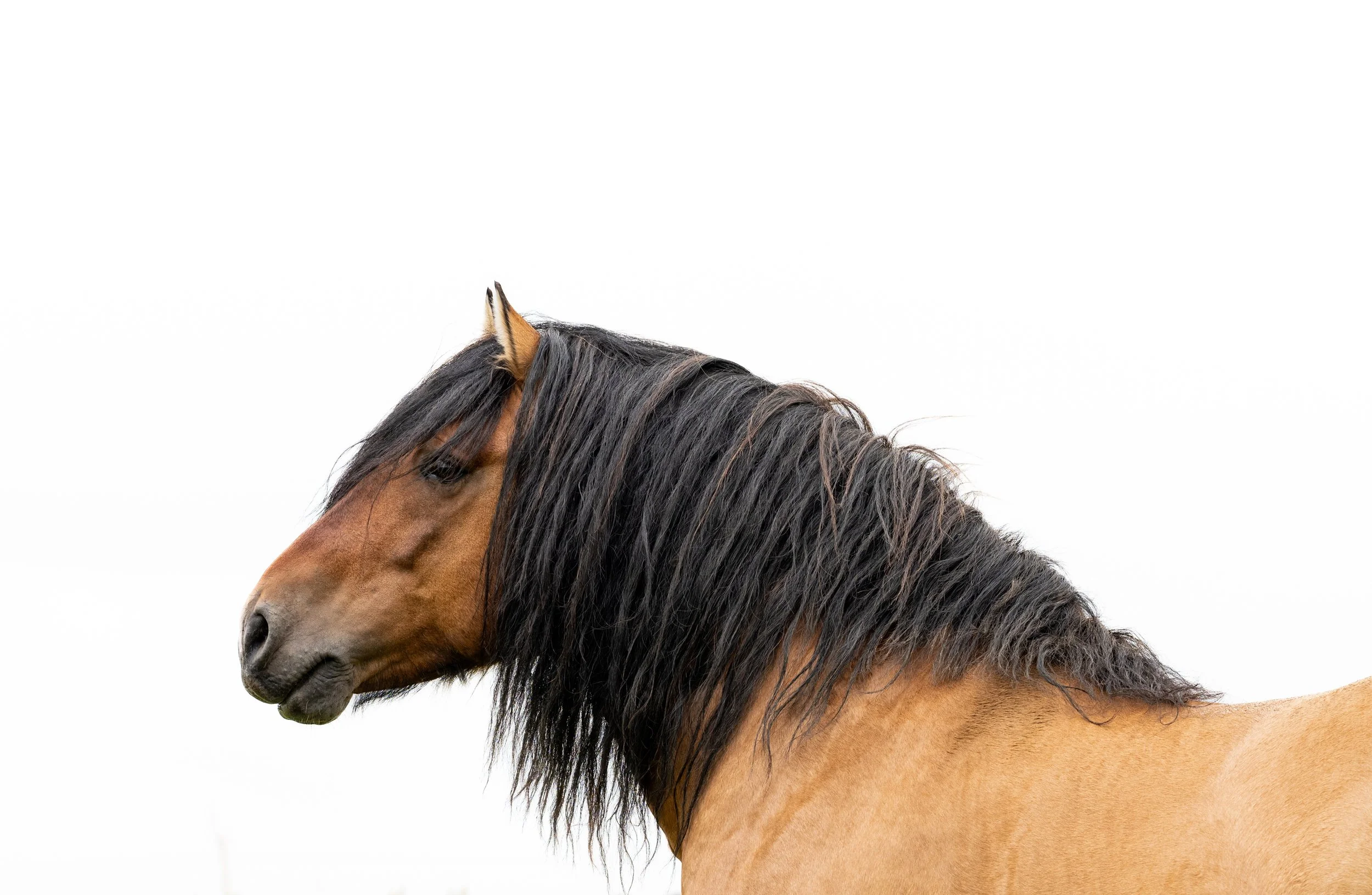
The Highland pony’s mane and tail should be natural, flowing and untrimmed with a full tail.
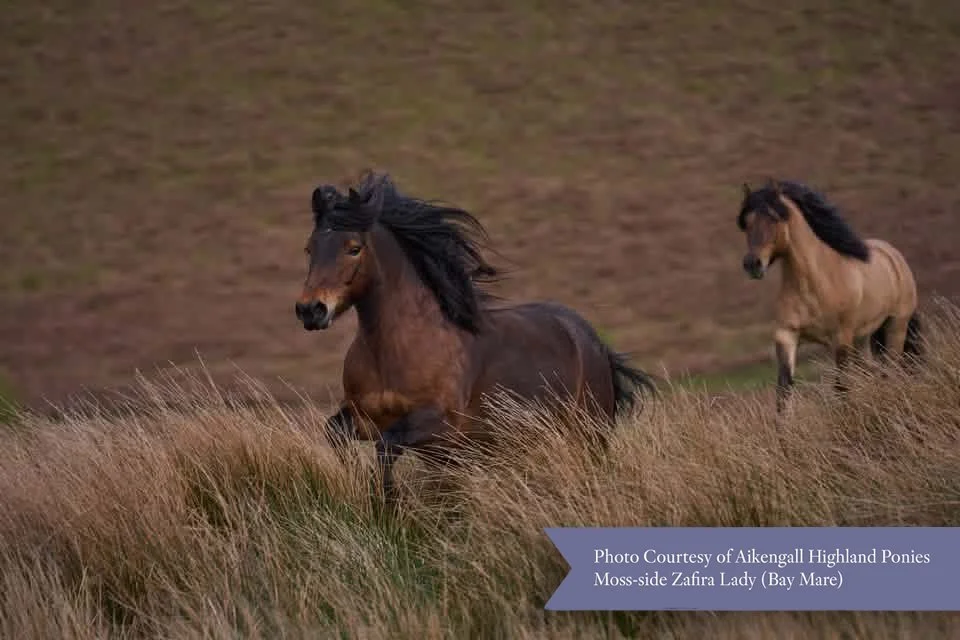
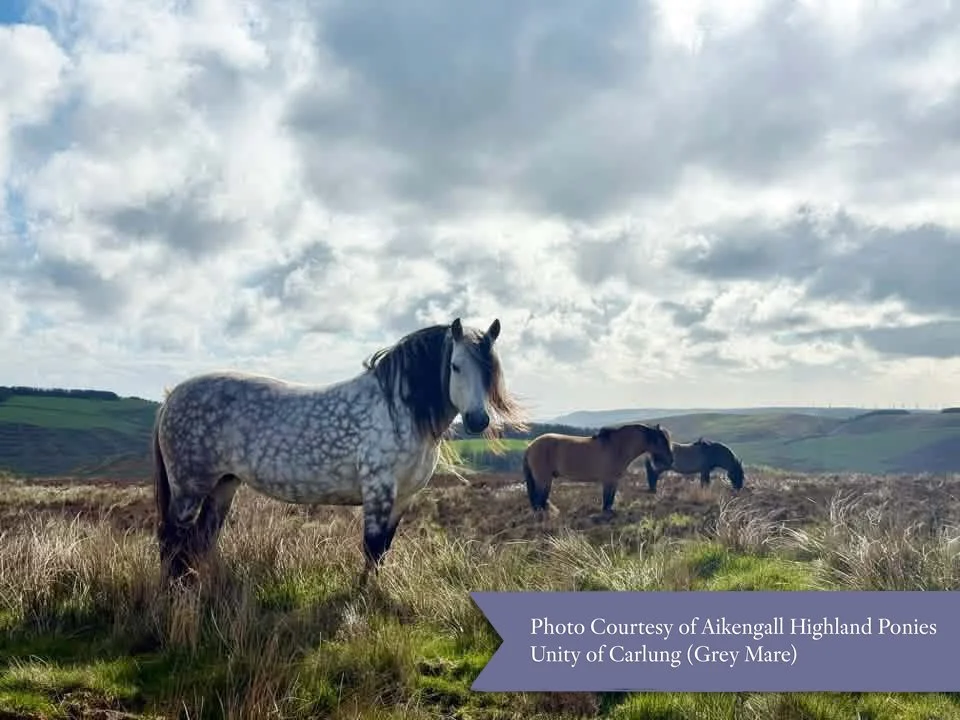
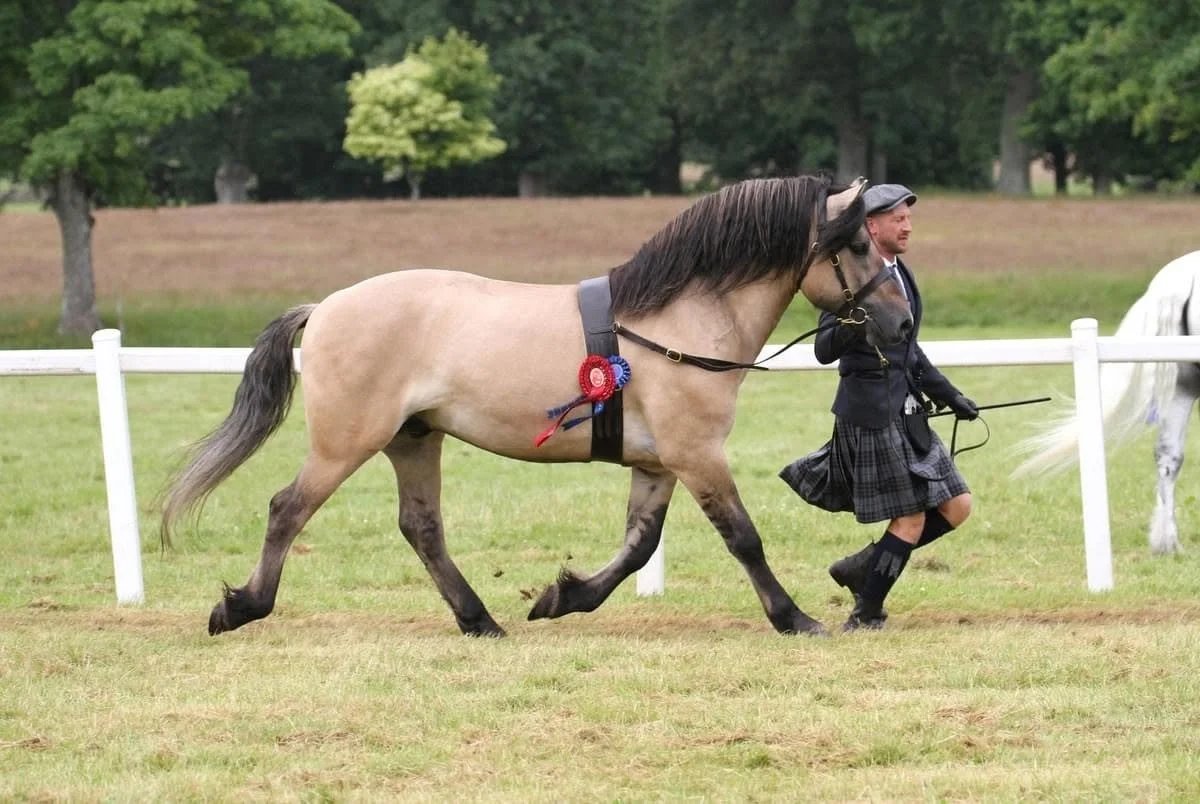
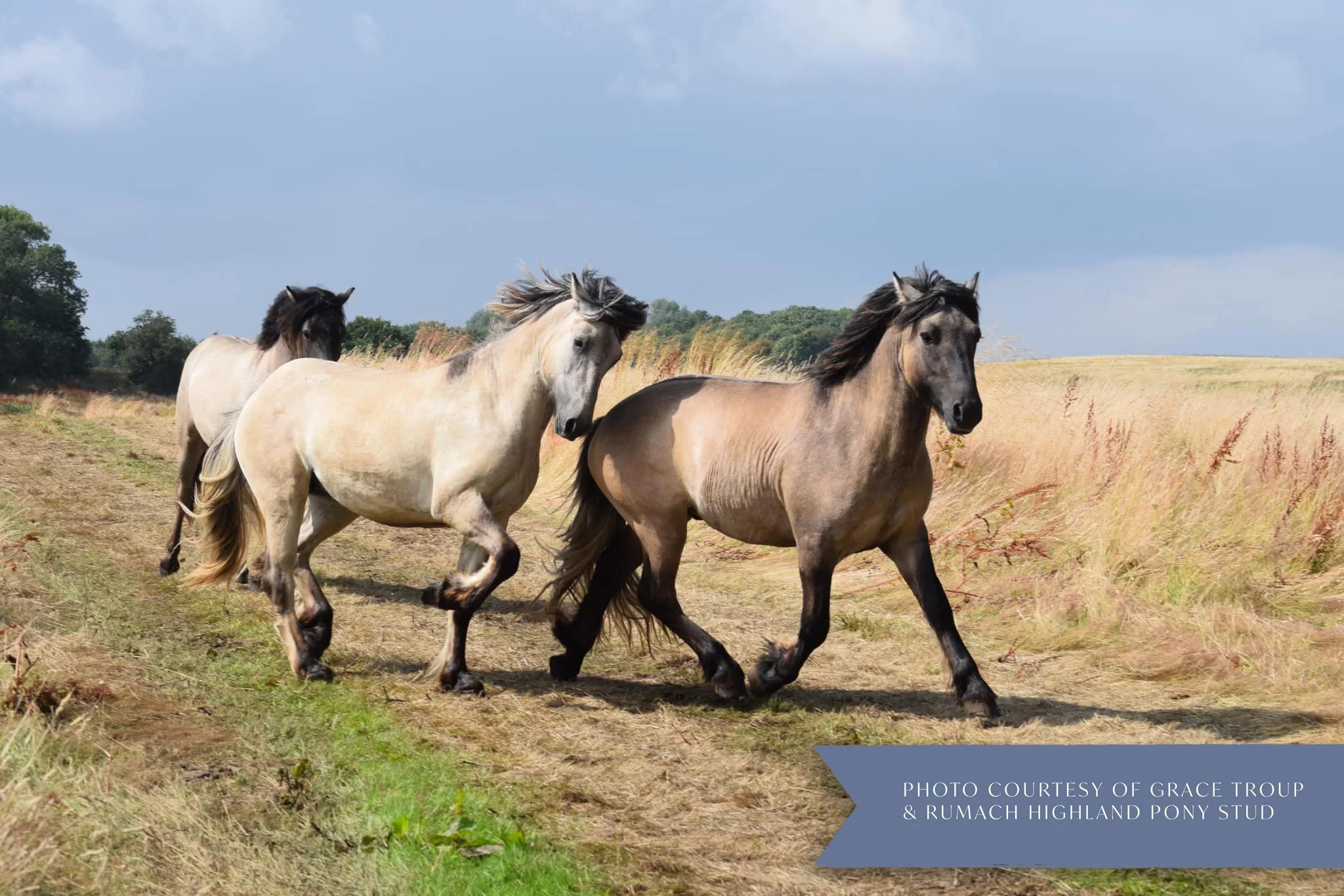
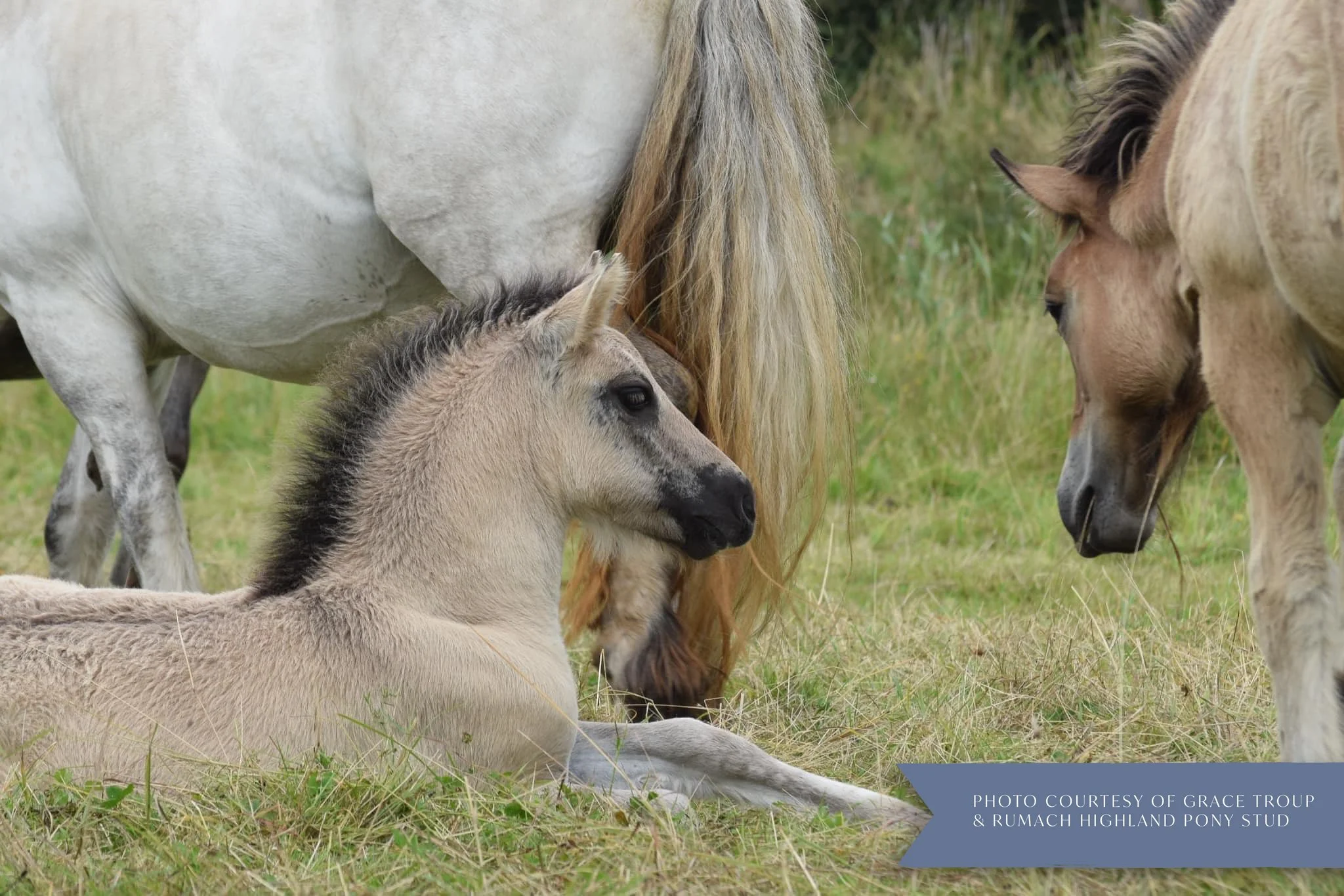
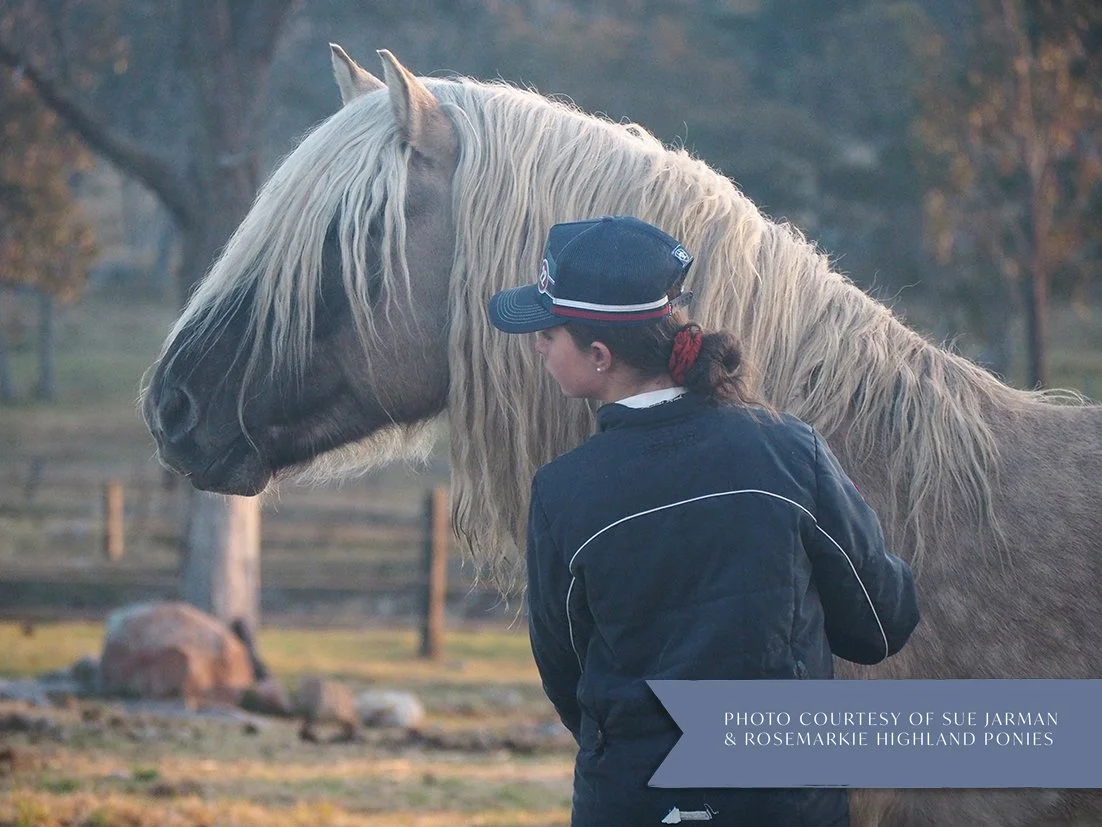
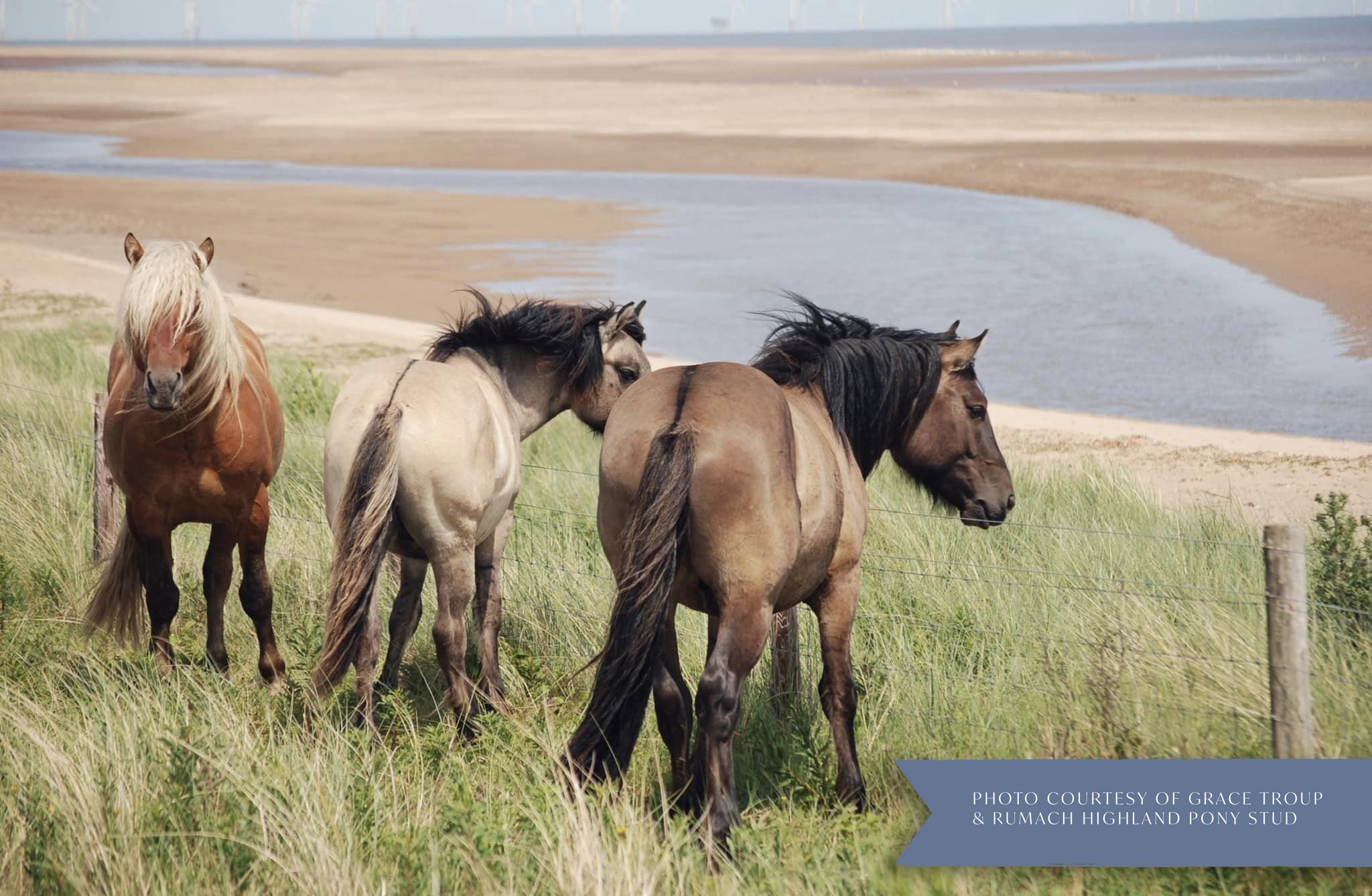
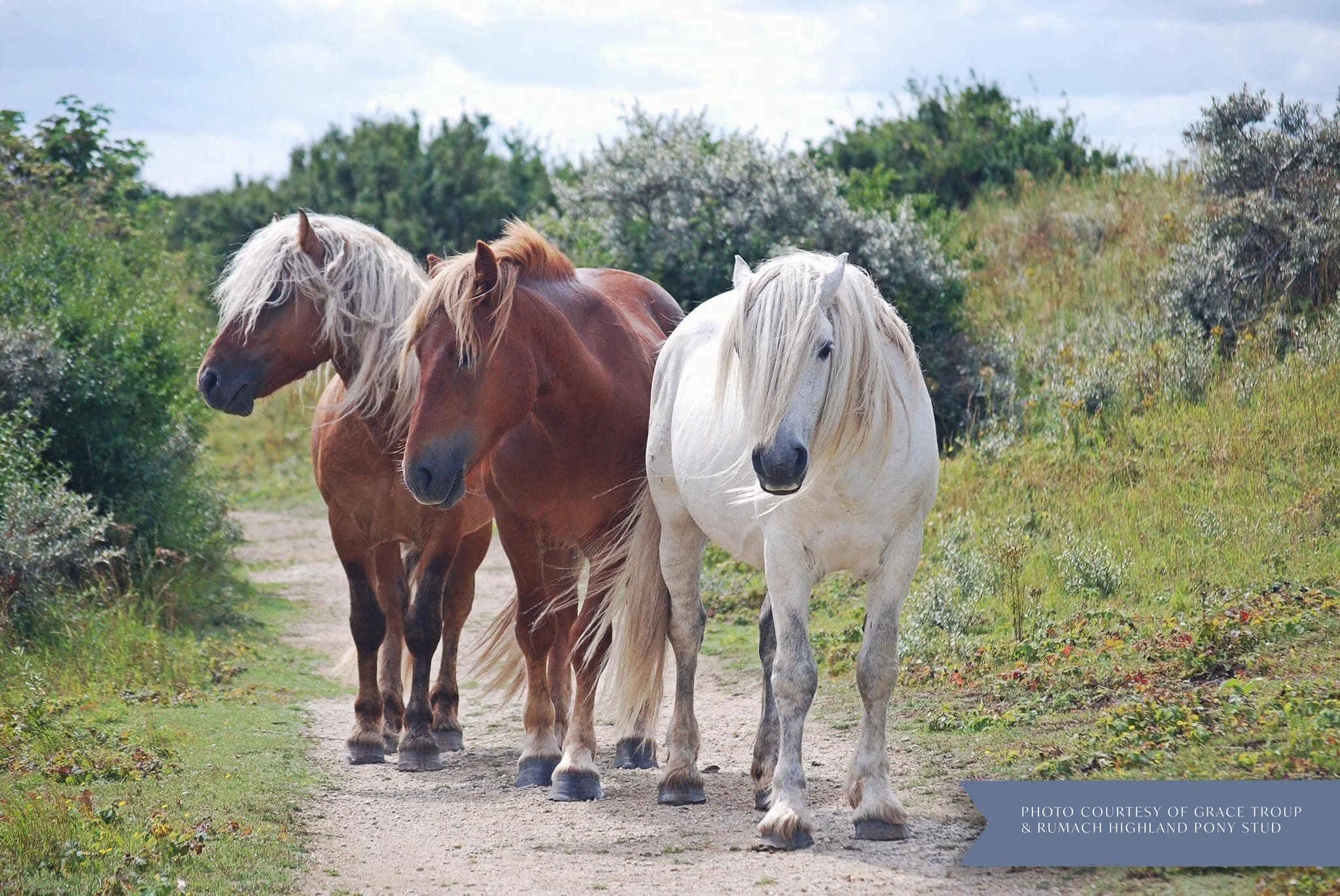
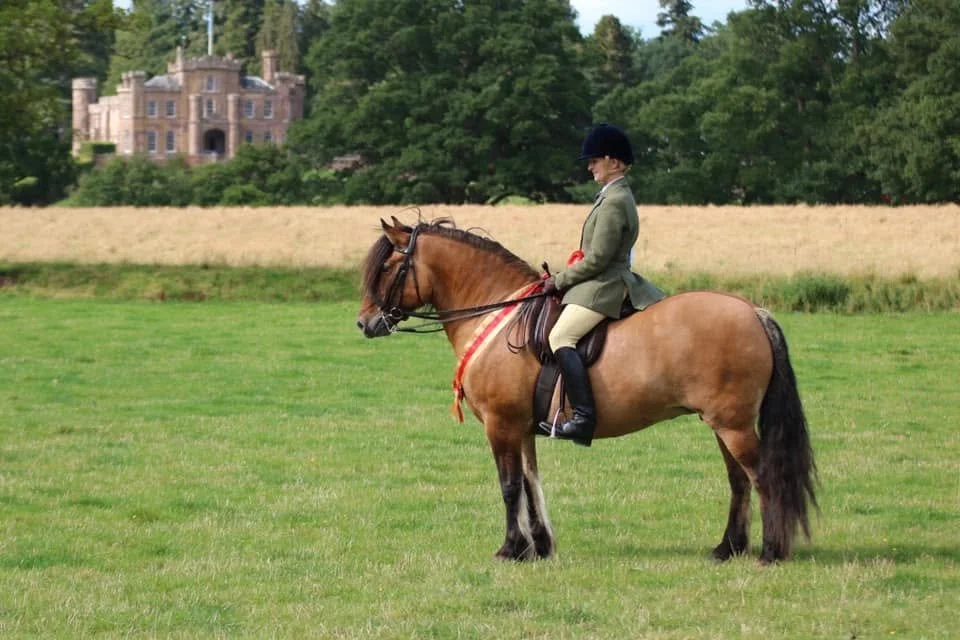
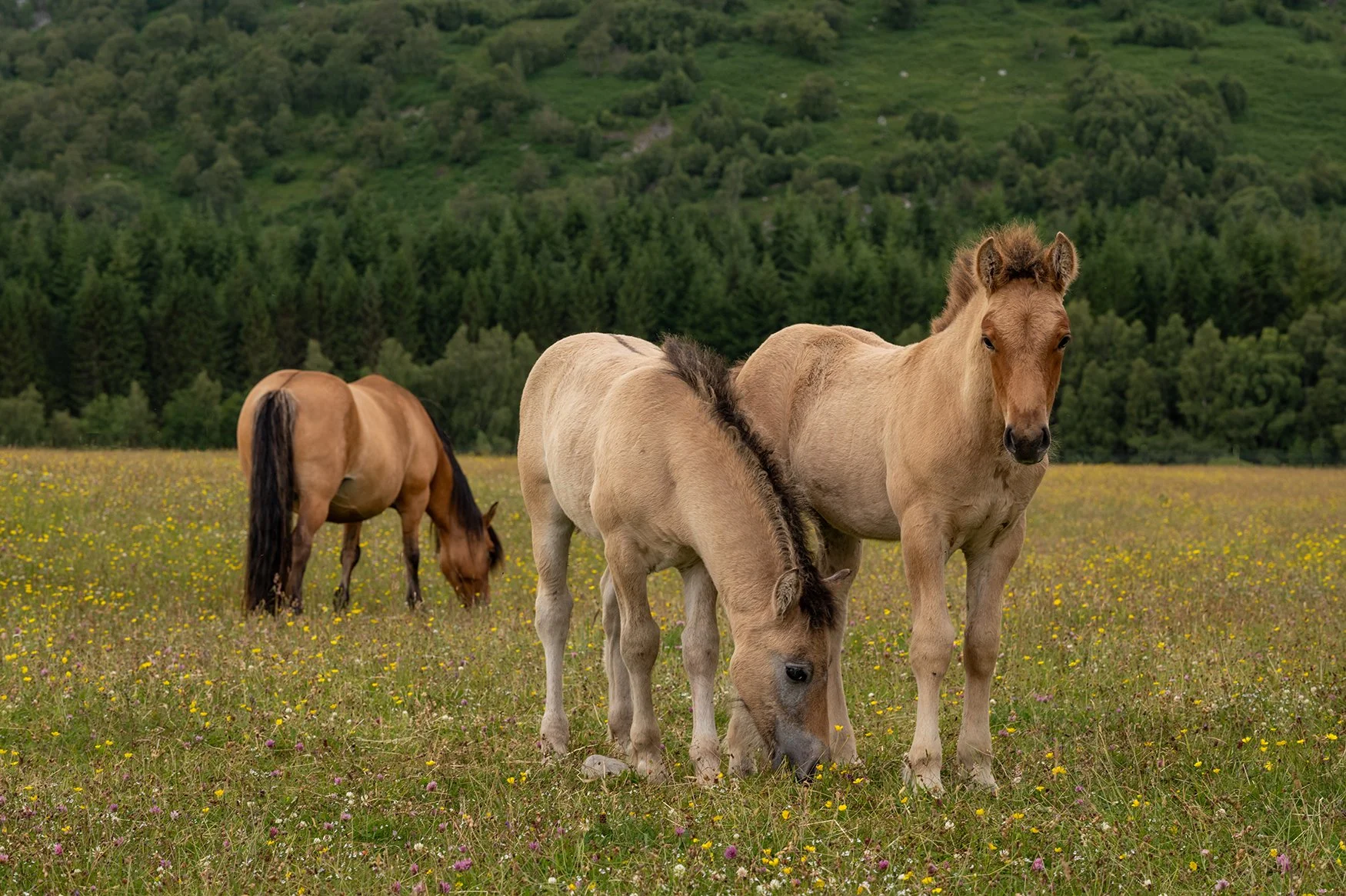
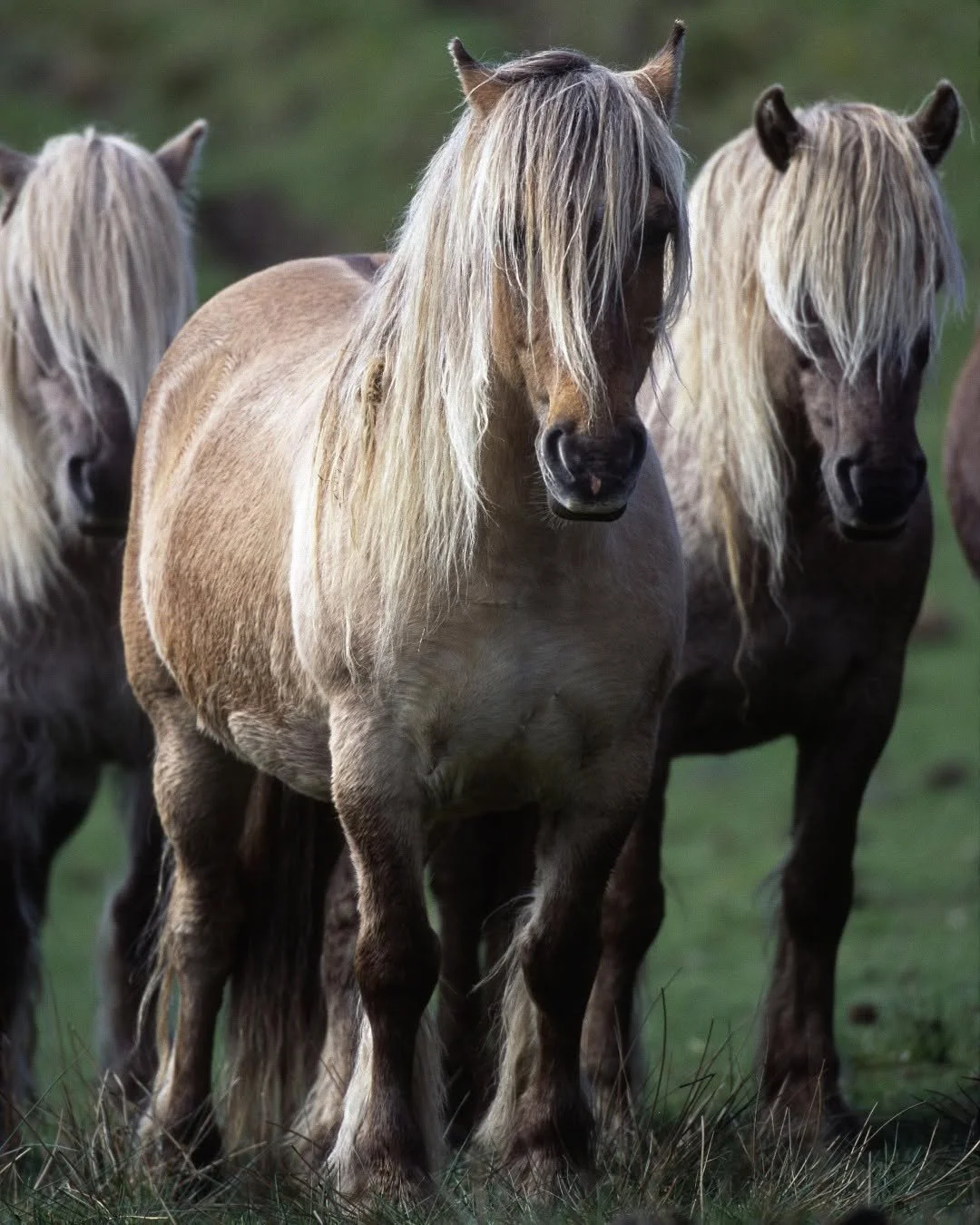
Highlands come in a range of duns - mouse (in other breeds it is referred to as “grullo/grulla”), yellow (a bay dun), grey, cream, and fox - and can be varying shades of dun. You will also find them in grey, brown, black, bay, and even occasionally chestnut. There is a silver gene carried in some lines where black/brown pigment is diluted to lighten the manes and tails to a flaxen or silver color. Many ponies display primitive markings, such as a dorsal stripe along their backs and zebra markings on their legs and shoulders. A foal’s coat color often changes and many ponies change color gradually as they grow older, especially ponies with grey hairs interspersed with the original color as they will eventually turn all grey. Others show a slight seasonal change in color between winter and summer coats. Broken colors are not allowed. A small white star is acceptable, but other white markings are discouraged. Stallions with white markings other than a small star are not eligible for licensing.
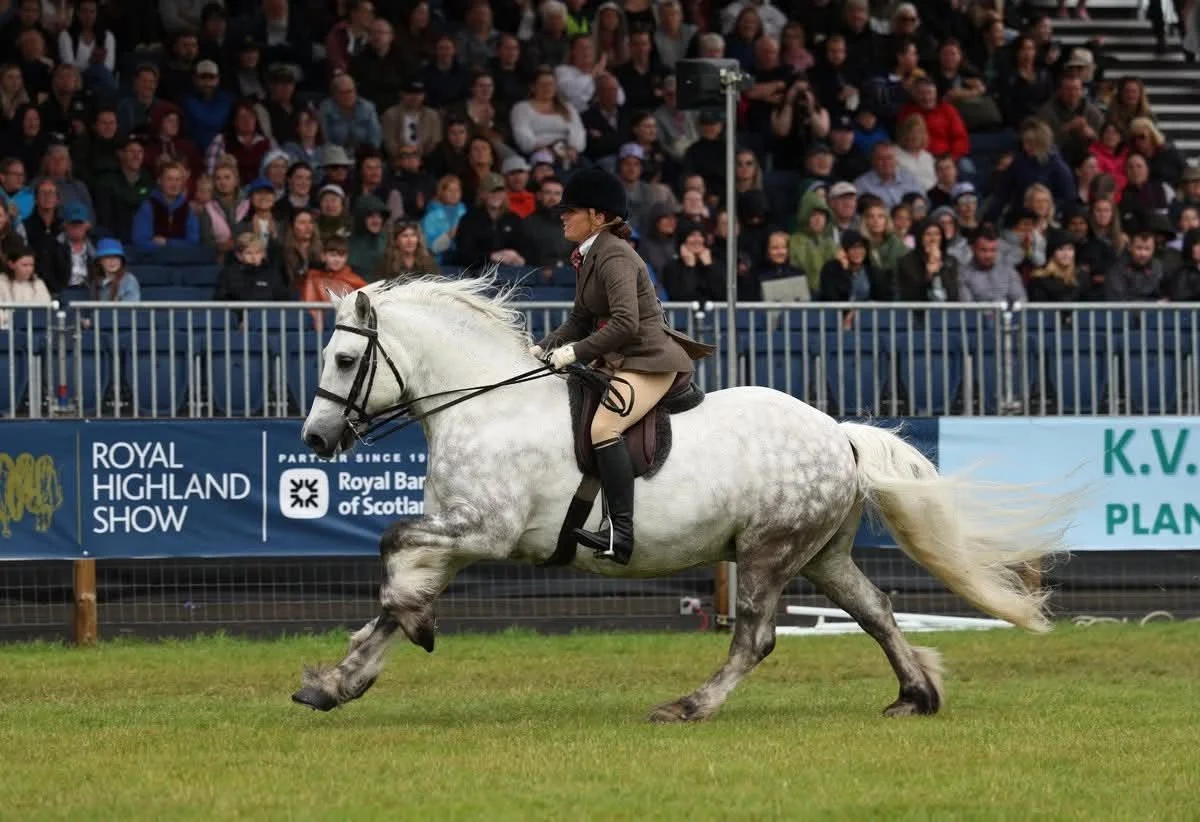
They should move straight and be free-moving without undue knee action. Their broad, strong hooves can often go without shoes.
They are known for their quiet, docile nature, sensibility, stamina and ability to carry heavy loads across rough mountain terrain where vehicles cannot go. Although Highland ponies have good temperaments, they are not dull - they are full of personality - and it is important that they learn good manners at a young age, as they can be stubborn and pushy if not trained. They are intelligent ponies and thrive when they are kept busy and given a job.
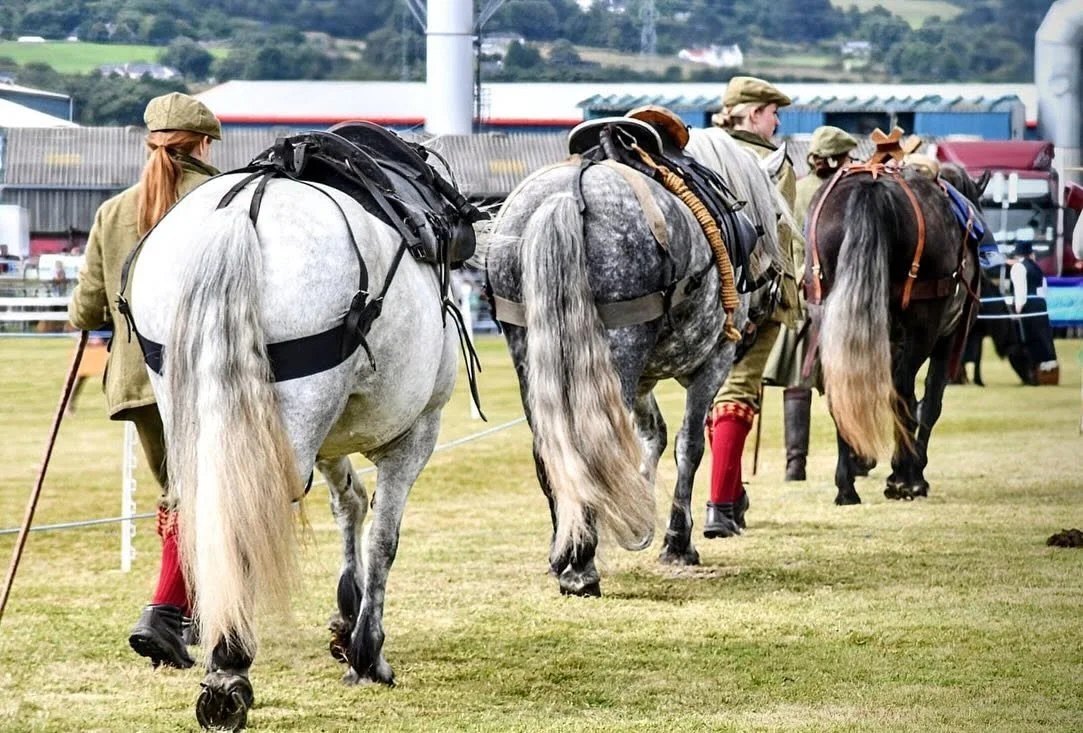
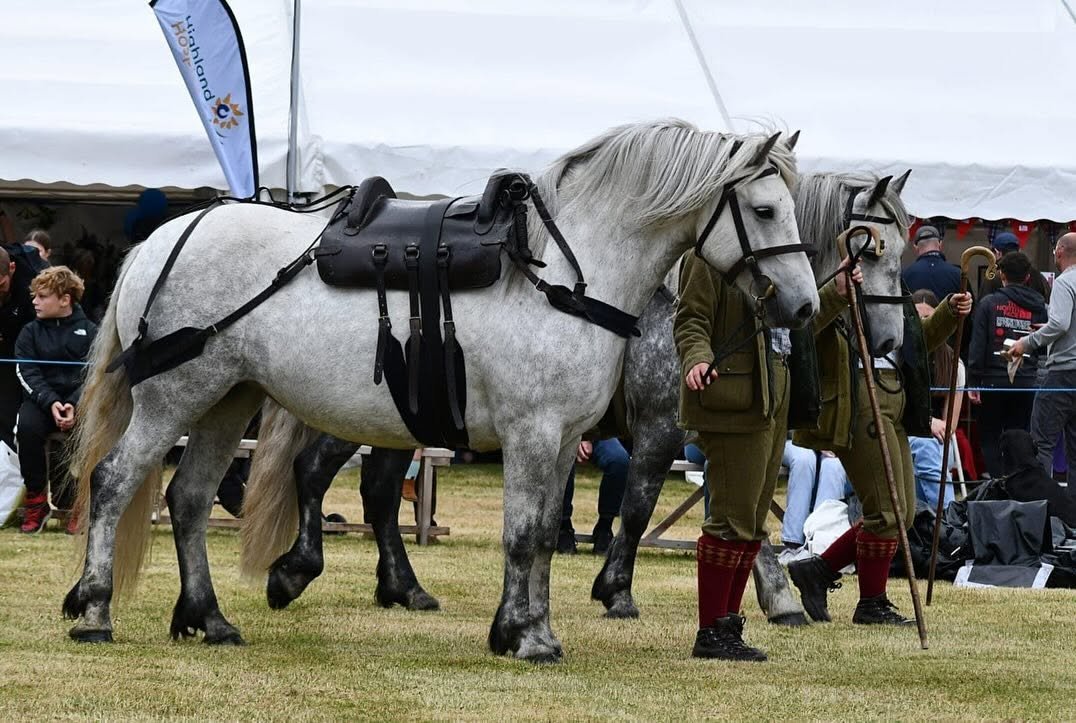
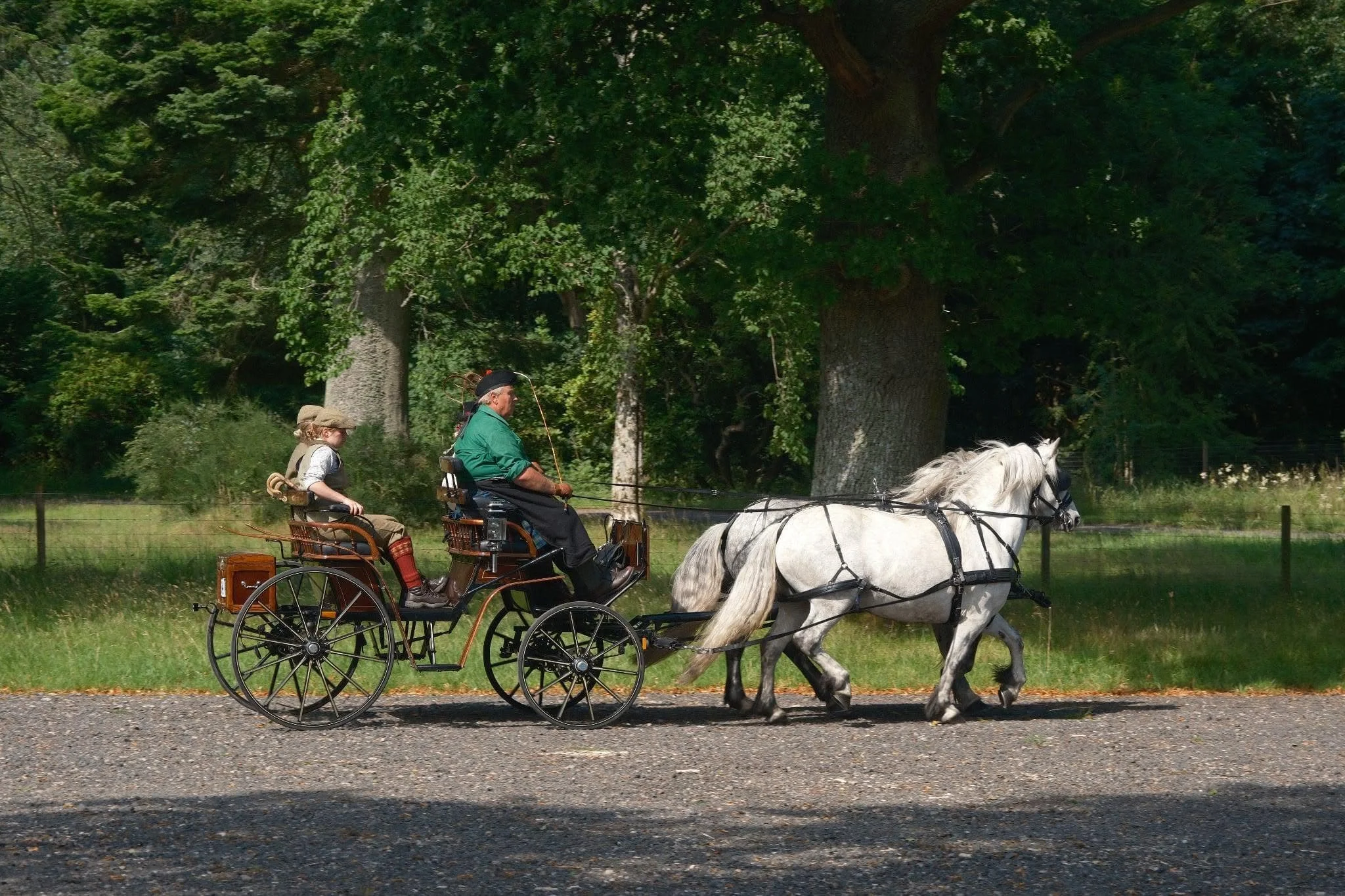
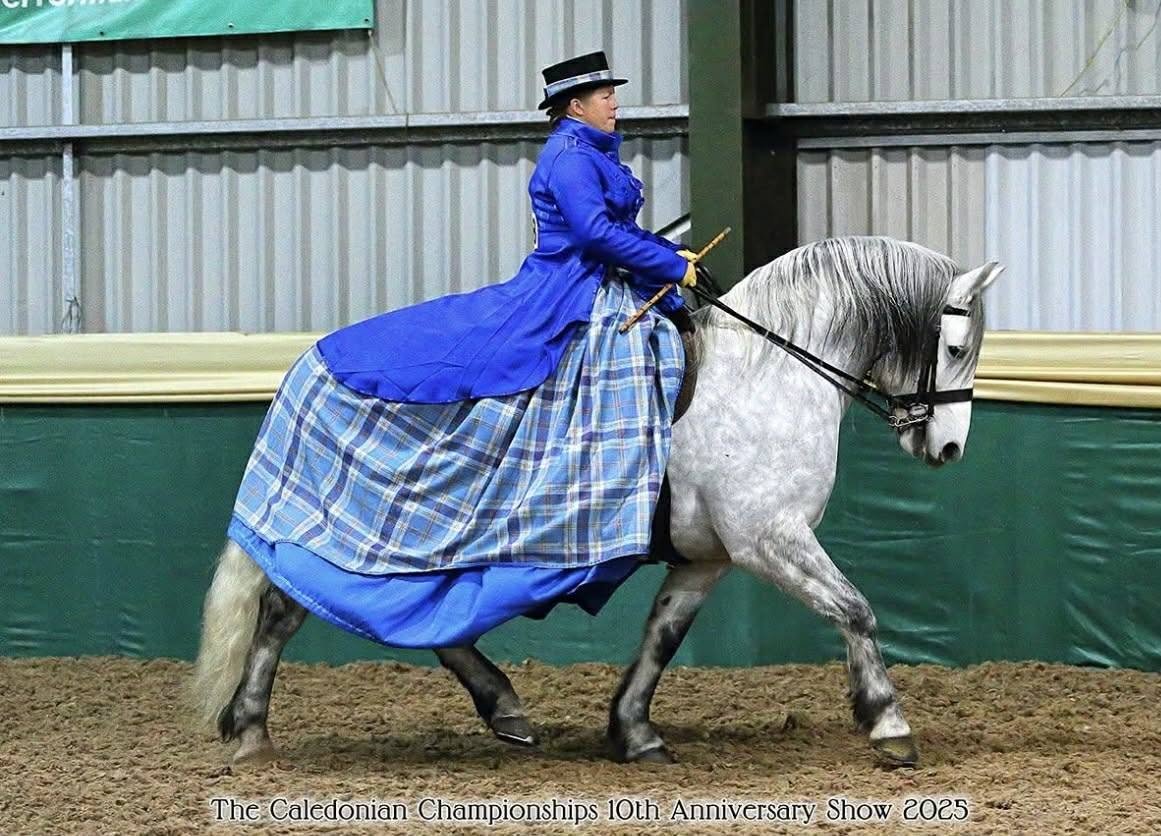
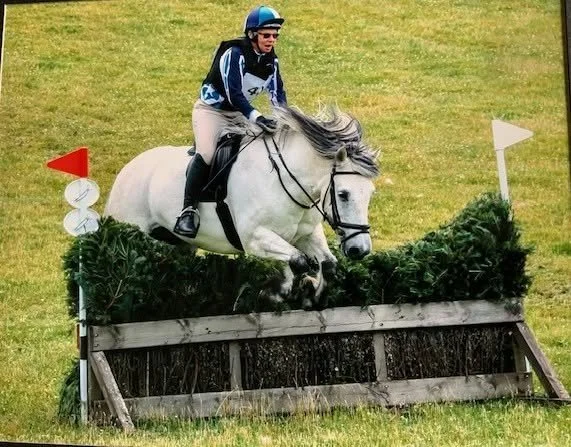
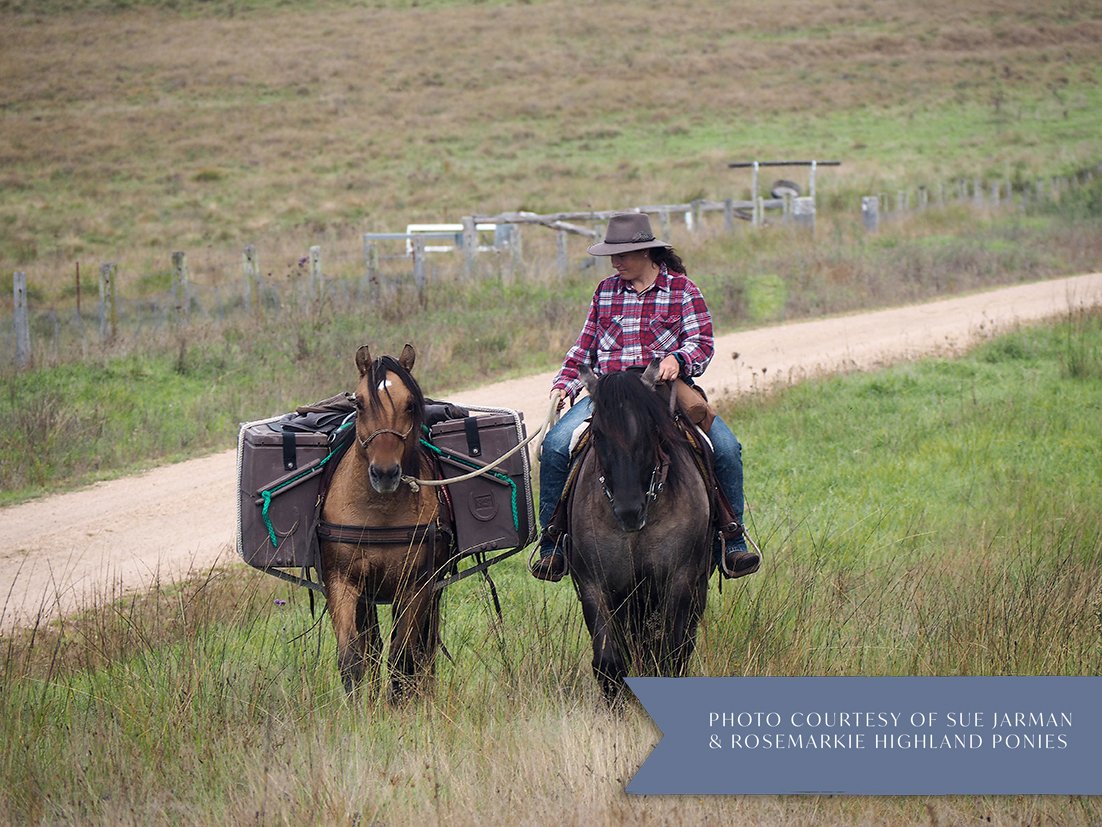
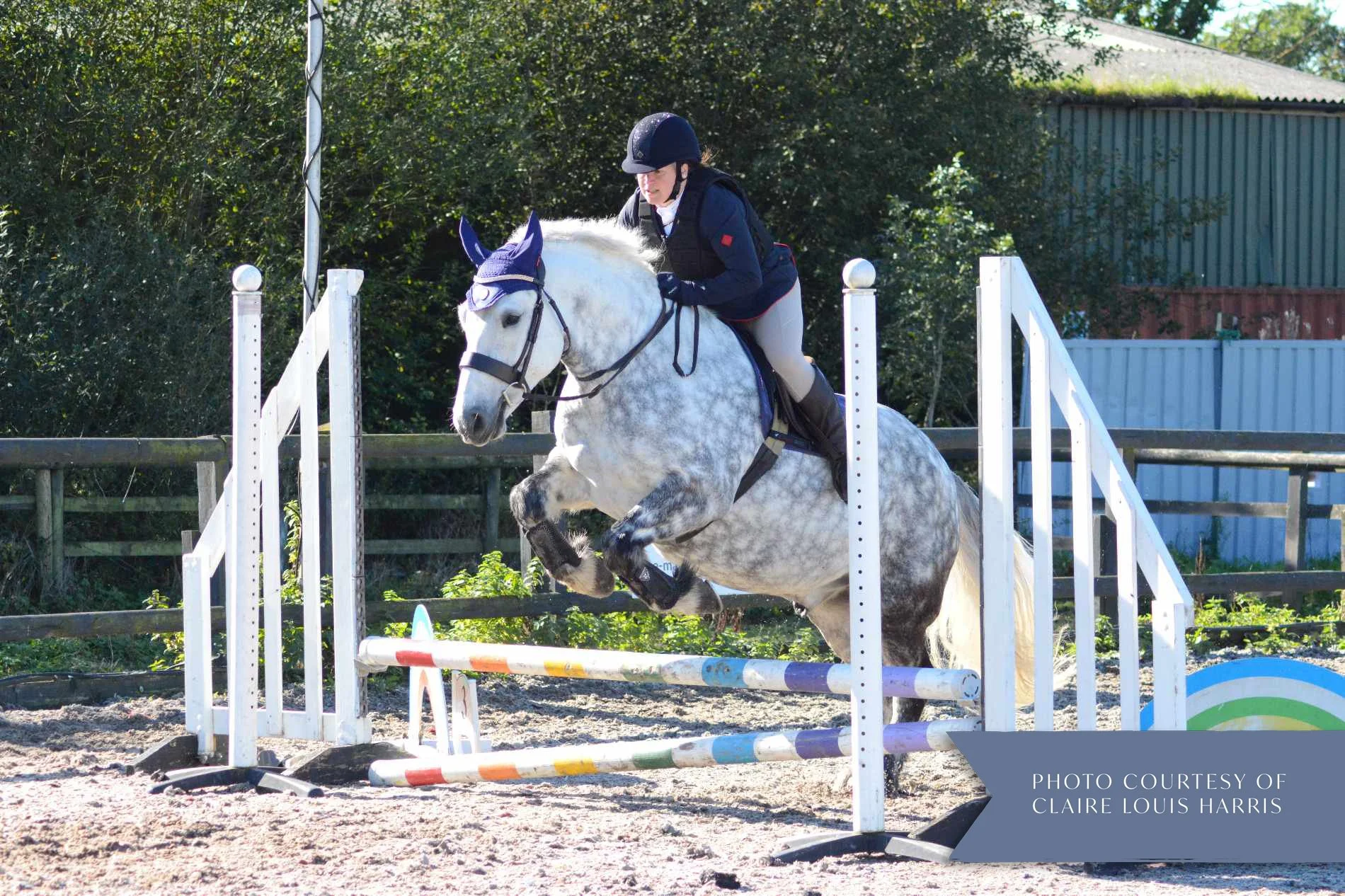
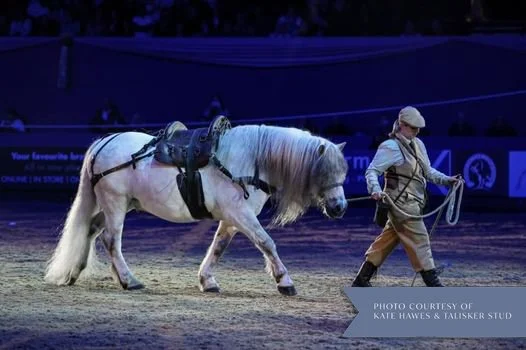
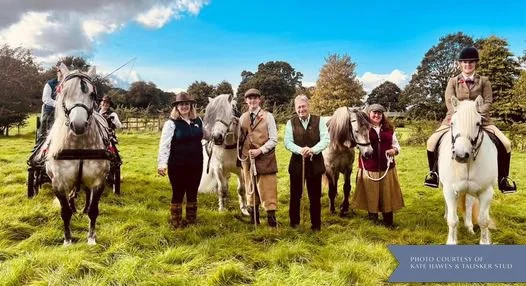
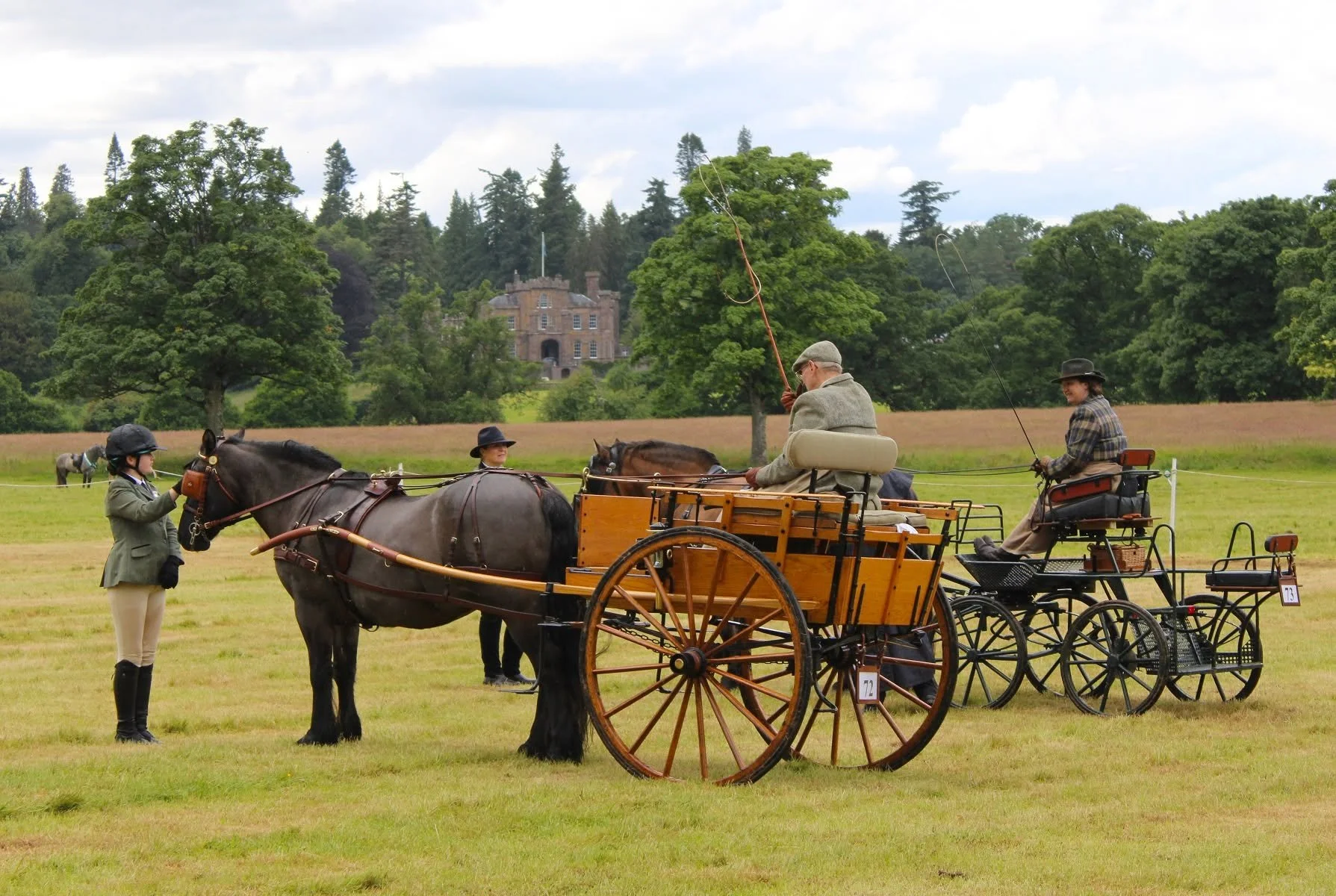
Considerably smaller than Clydesdales, the Highland pony was originally bred to work on the small crofts of Scotland. They were used for plowing, transporting goods such timber, peat, seaweed, and wild game; estate work, forestry, and tourism. To this day, some are still used for such work, but more often than not, they are enjoyed as all-around ponies used for driving, eventing, jumping, endurance, trek/trail riding, dressage, western, therapeutic riding, and general riding. Several ponies are used for conservation grazing.
Because they’ve evolved to survive on sparse vegetation, Highlands are easy keepers and do not require much to maintain their weight. It is still important that their vitamin/mineral nutritional needs are met. Lush fields, rich hay and regularly-fed pellets or textured feeds are not recommended, as they are more prone to obesity and laminitis.
Breed Characteristics
The Highland
in History
The Late HM The Queen

Highland ponies have been a staple of Scottish history that’s as old as time itself. Prehistoric experts note similarities between the Highland ponys’ primitive markings, such as the eel-stripe along the top-line and zebra markings on the legs, and depictions of ice-age horses in ancient European cave cart. Severe winters, rocky terrain and sparse vegetation shaped these ponies to be exceptionally hardy with stocky frames and thick double coats.
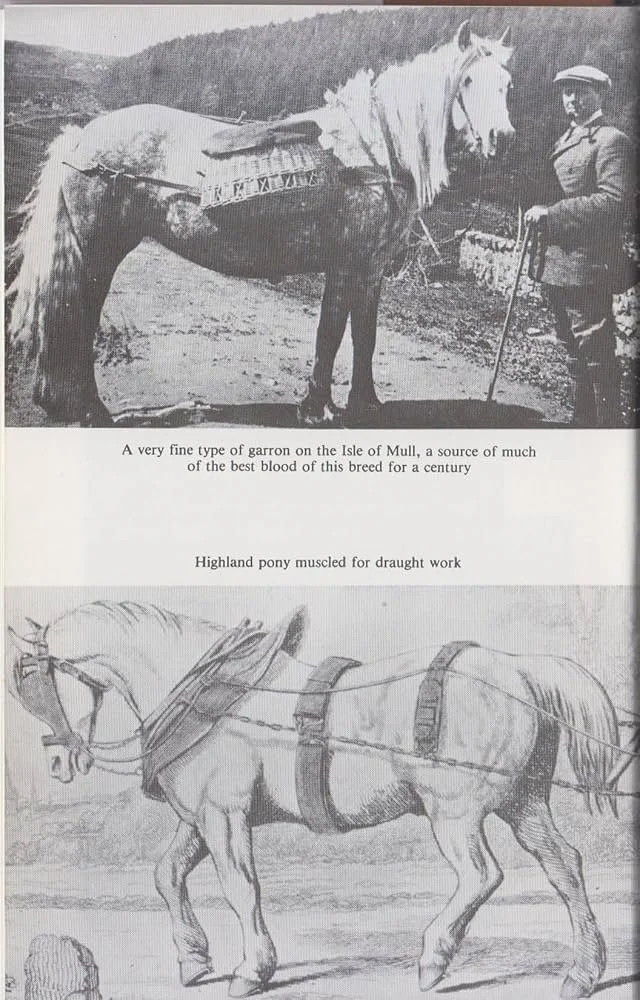
Highland ponies of today descend from two original types - the larger, Scottish Mainland pony (historically referred to as the “garron,” a term that in Gaelic means gelding (mares are just as equally capable), but the term itself is seldom used today) and the smaller, Western Isles pony. Mainland ponies were taller and heavier built, which made them suitable for deep-soil farming and heavy hauling, whereas the Western Isles ponies were lighter, more refined and agile, making them nimble over rough, boggy terrain. Today’s Highland ponies have largely merged through interbreeding, so there is less distinction. Both still share the same traits - a calm temperament, intelligence, strength, incredible stamina, and primitive markings. The addition of French, Spanish and Eastern breeds, as well as the Hackney, Dales and Fell influence, have helped form the breed into what it is today.
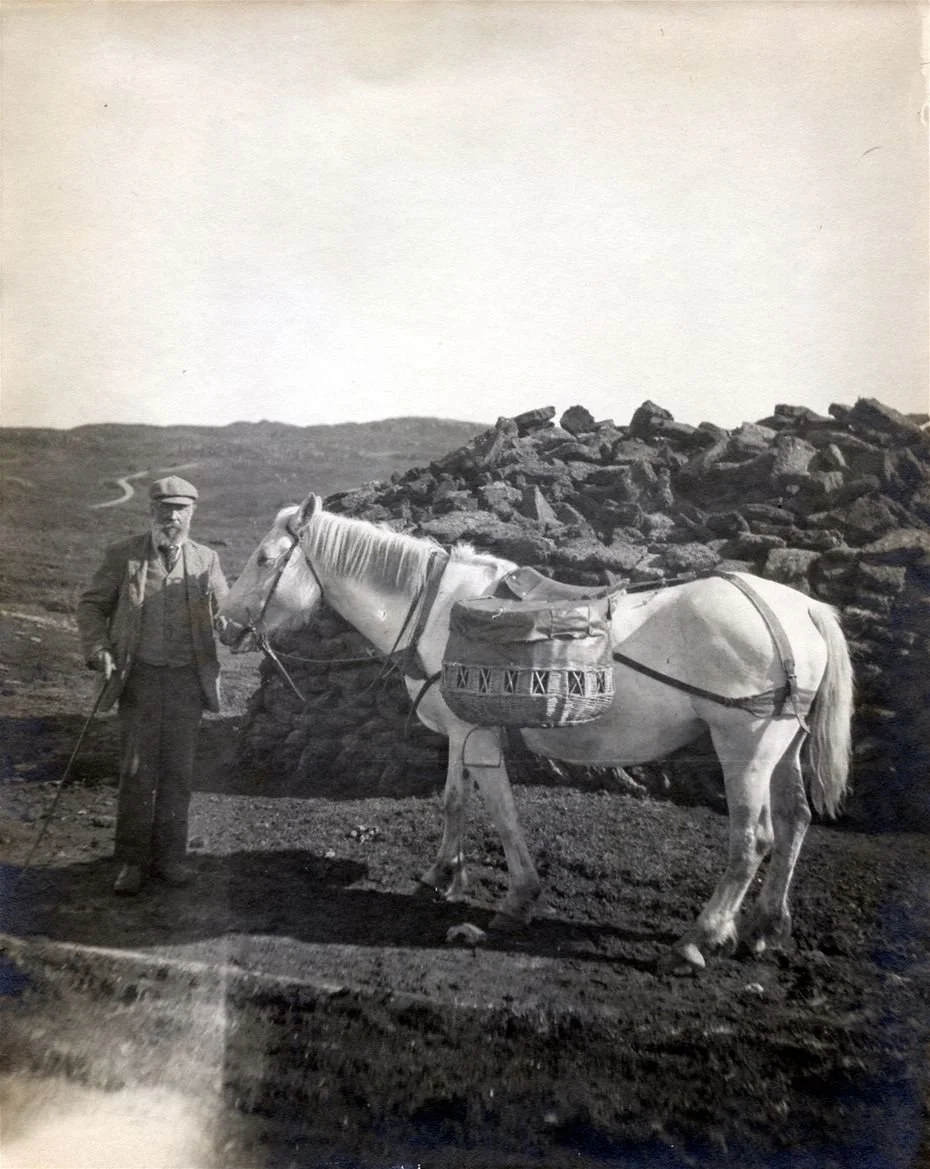
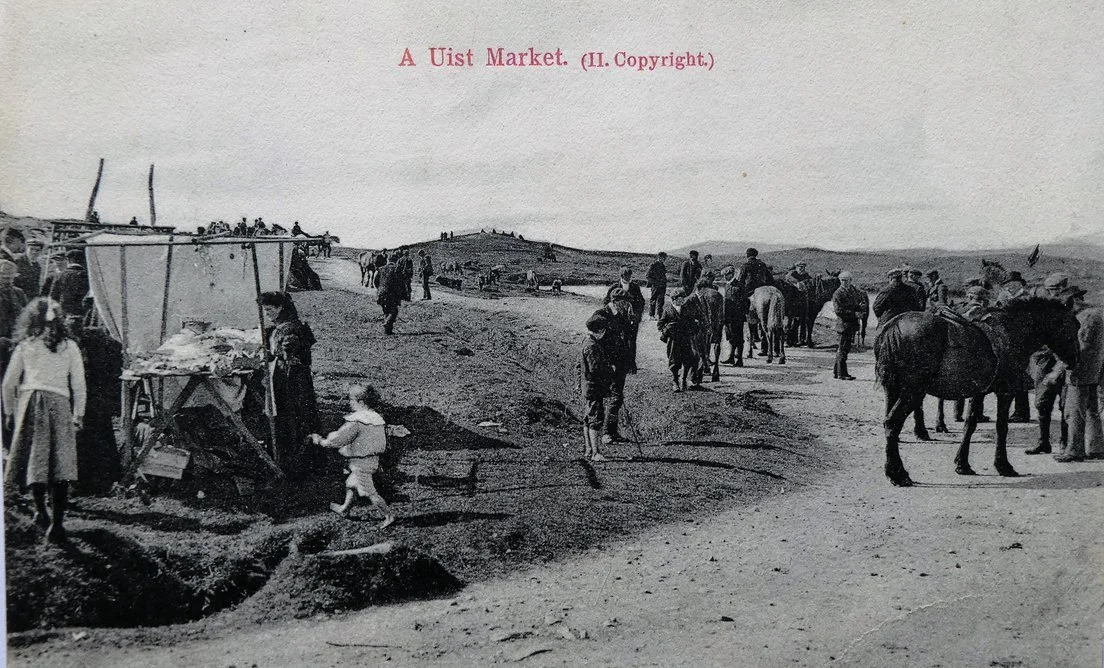
These ponies have long been valued for farming, transport, military service, pony trekking, and working on Scotland’s sporting estates. Crofters used them for heavy tasks, such as plowing rocky soil, hauling peat for fuel, and gathering seaweed for fertilizer. Traditionally, peat, seaweed, and farm supplies were carried in woven baskets known as panniers. Scottish clansmen and the British Army used them for military purposes as pack and riding animals. They were used during early Scottish warfare of the Ancient Pictish and medieval Scottish warriors, the Jacobite Risings during 18th-century, famous mounting units like the Love Scouts and Scottish Horse used Highlands in the Boer War in South Africa, and in World War I and World War II, they were deployed for transport and artillery support. They were valued for their stamina, sure-footedness, calmness under pressure, and the ability to thrive on limited rations. Sadly, the use of these ponies in war led to a damaging decline in breeding stock, even threatening the Highland breed with extinction. It was not until the 1830’s that a registry for the breed was created.
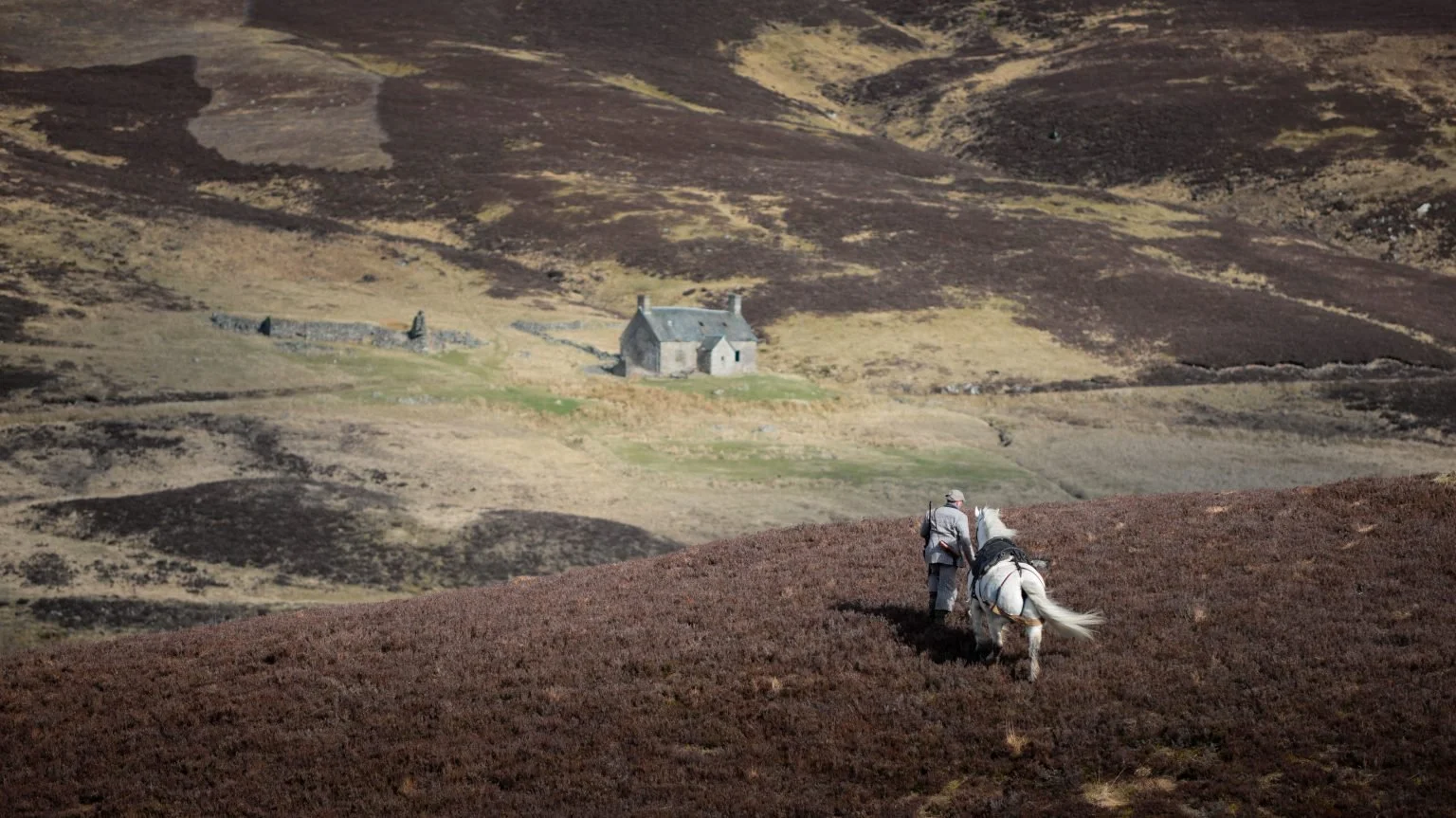
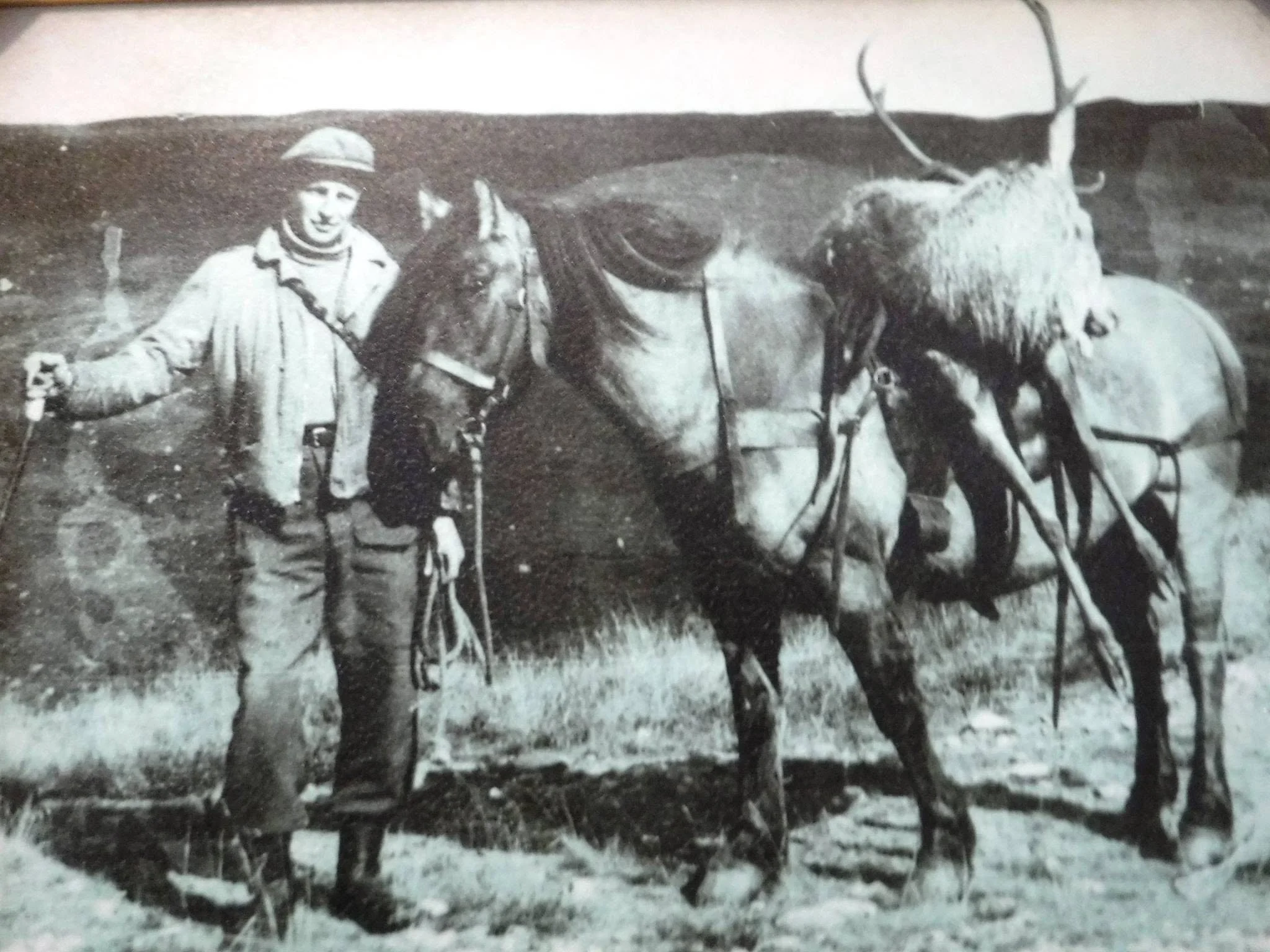
You may be surprised to learn that Highland ponies have deeply rooted Royal connections. After leasing it for several years, Prince Albert purchased the original Balmoral castle in 1852 as a gift for Queen Victoria. A new castle was erected in 1856. Queen Victoria had a deep love for the Highland ponies and used them for long riding expeditions around her beloved Balmoral Estate in Aberdeenshire, Scotland. Queen Victoria heavily popularized the breed in the 19th century across Britain by using them for riding and driving at Balmoral. Although hunting deer and grouse wasn’t new to the Scottish Highlands, it wasn’t until the invention of the long-range rifle in the early 19th century that established deer-stalking as an imperative element of the sport. Victorian sporting estates grew in popularity and quickly adopted the ponies to haul heavy deer carcasses out of the pathless mountain glens during hunting season, viewing the ponies as indispensable. Despite the invention of off-road and all-terrain vehicles, the Highland ponies - “deer ponies” or “working hill ponies” - as they are known, are still an essential asset to many wild game estates.
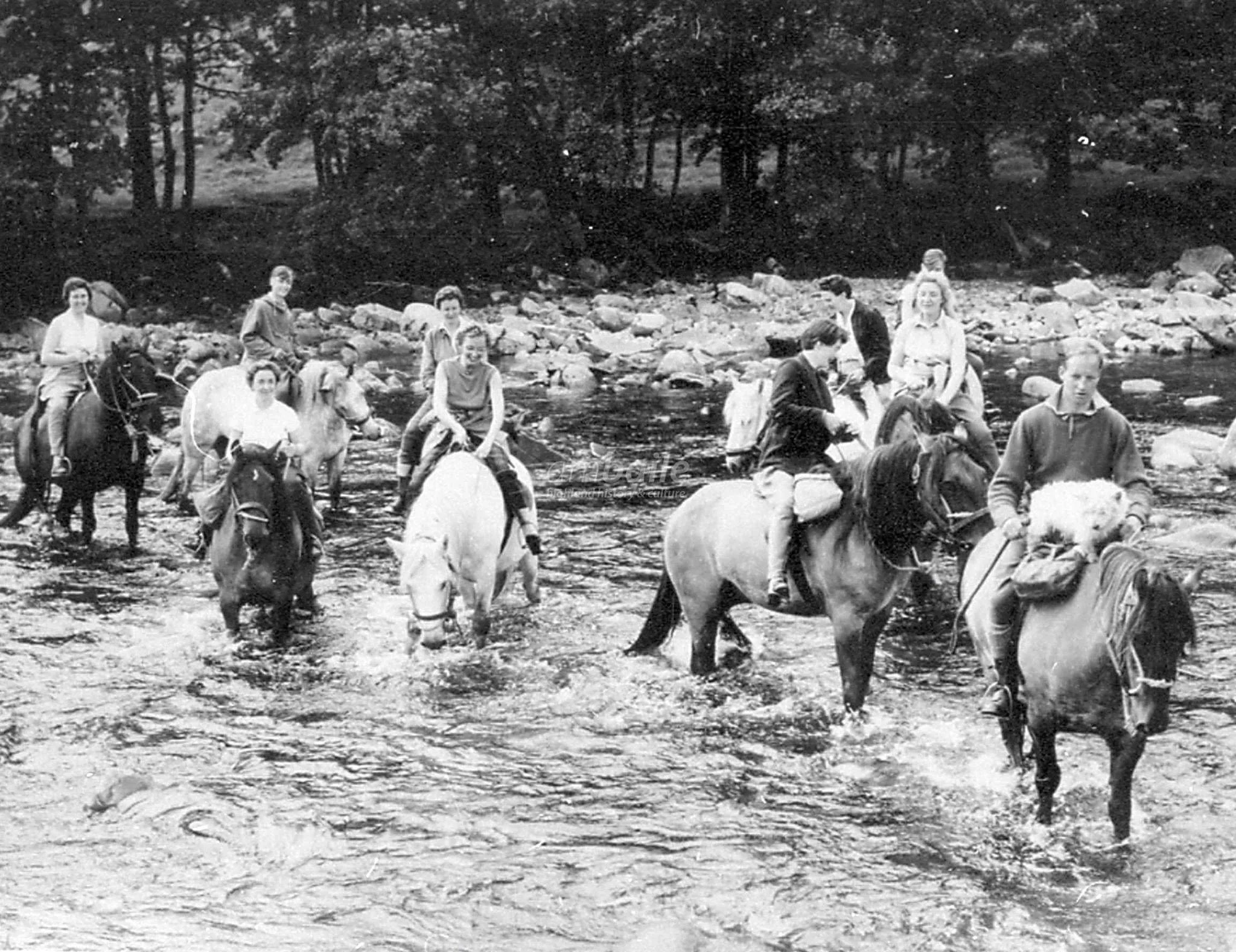
An attempt in preserving the breed proved to be quite successful in the early 1950’s. In Newtonmore, Badenoch, Scotland, Ewan Ormiston started the first official pony trekking center. Here, the Highland ponies were the preferred breed for riding by tourists and travelers. Tourists paid to ride the ponies through the scenic hills, lending the ponies a new purpose and economic value. The Ormiston’s have played an instrumental part in helping Highland ponies gain attention and inspired trekking centers across Scotland and the world, transforming a utilitarian farm animal into a beloved recreational mount.
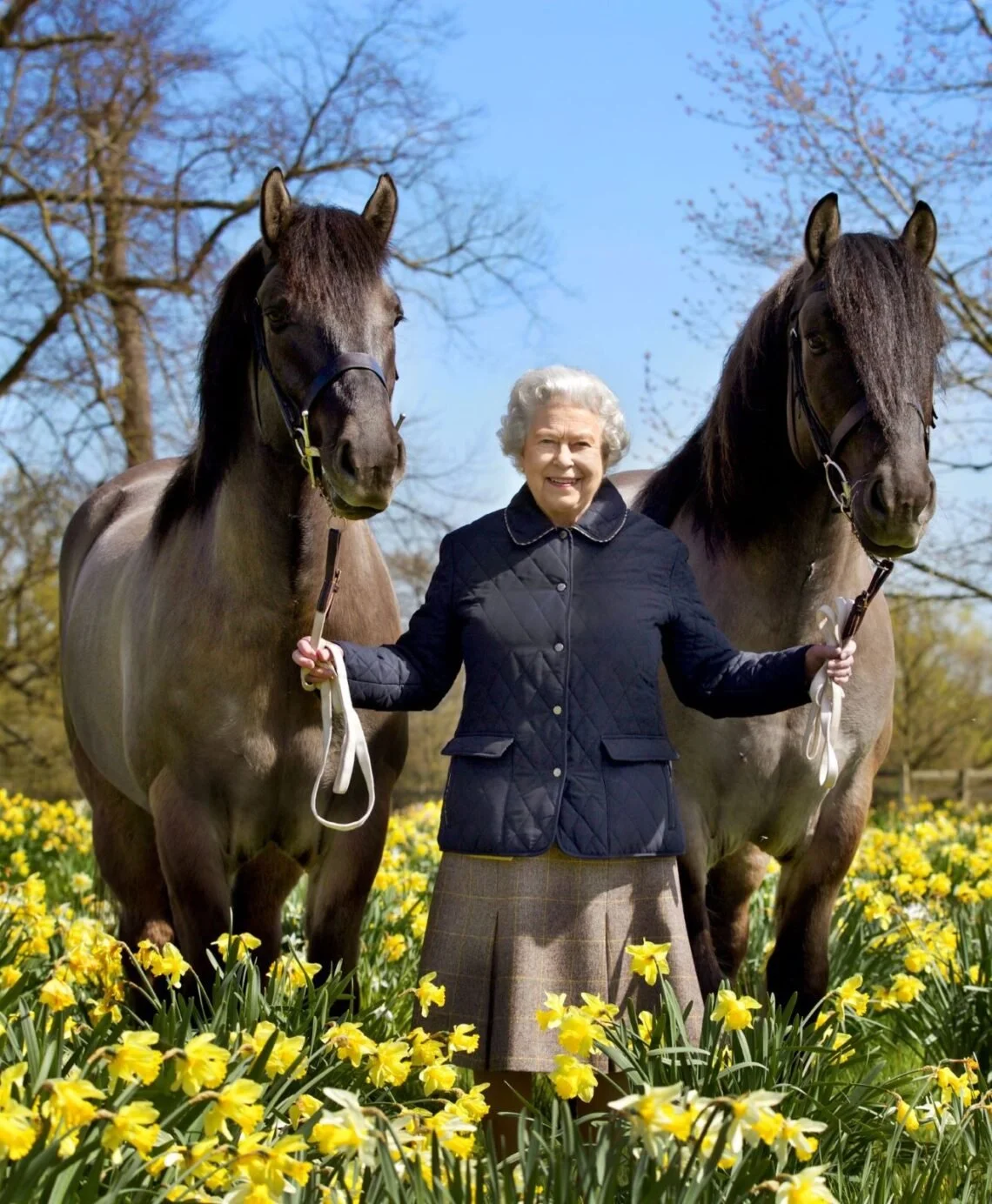
In 1923, the Highland Pony Society was founded to help preserve and promote the breed. It is no secret that HM Queen Elizabeth II shared her great-great-grandmother’s great love for Balmoral Castle and a number of rare horse and pony breeds, specifically the Highland. In 2007, HM Queen Elizabeth II re-established her Highland pony breeding program at Balmoral Estates and was intrinsically involved in all aspects of the breeding and conservation efforts. Balmoral-bred ponies frequently competed at major exhibitions, such as the Royal Windsor Horse Show, and won many top honors. For over 70 years she served as the official patron of the Highland Pony Society, until her passing in 2022. Upon ascending the throne, King Charles III has reduced the Highland pony breeding program at Balmoral Estate, moving the broodmares to Hampton Court to continue breeding a small number in the south, while the stallions were sold. His Majesty the King has, however, accepted the Patronage of the Society.
Looking to the Future
Even with gaining popularity there are less than 6,000 ponies world-wide. Among other equine breeds, the Highland pony remains on the Watch List as At Risk by the Rare Breeds Survival Trust in the U.K. They are also listed as Critical with The Livestock Conservancy in the U.S.A.
Preserving the breed will involve protecting Scotland’s native working heritage, maintaining genetic diversity and increasing the availability of artificial insemination, continuing breed education and outreach, and using the Highland ponies for modern conservation grazing and estate work.
In the U.S., there are approximately 220 purebred Highland ponies, several part-breds, and fewer than 10 breeders. My hope is that as others learn about these amazing ponies, more people will want to get involved with preserving such a special breed.